


Experience world-class surgical expertise. Oral and Maxillofacial Surgery is the
We offer the following general dental treatments
All Your Dental Needs Under One Roof.
World-class dental care for everyone. We believe in providing top-quality, ethical care to patients of all ages. We do everything from routine dental check-ups to complex restorative treatments.
Frequently Asked Questions About Dental Health
FAQs
Our FAQs are the most commonly-asked questions put to our Dental Helpline over the last year. If you have a question for us, you can ask our Dental Helpline by telephone or email. Alternatively, please take a look at our library of oral health information, which contains a wide range of oral health advice in an easy-to-understand Q&A format.
Bulimia is a condition where patients make themselves sick so that they lose weight. Because there are high levels of acid in the vomit, this can cause damage to tooth enamel.
Acids produced by the stomach can come up into the mouth (this is called gastro-oesophageal reflux). People suffering from hiatus hernia or oesophageal problems, or who drink too much alcohol, may also find they suffer from dental erosion due to vomiting.
Root canal treatment is a routine dental procedure, which your dentist will be happy to do for you. However, sometimes your dentist may refer you to an endodontist, who is a specialist in this type of treatment.
The dentist will prepare the tooth to the ideal shape for the crown. This will involve removing a layer of the outer surface, leaving a strong inner core. The amount of the tooth removed will be the same as the thickness of the crown.
Once the tooth is shaped, the dental team will take an impression (mould) of the prepared tooth, one of the opposite jaw and possibly another to show the way you bite together.
The impressions will then be given to a dental technician, along with information about the shade to use and any other information they need.
Unfortunately, gum disease does not usually cause pain as it gets worse so you do not notice the damage it is doing. However, the bacteria are sometimes more active and this makes your gums sore. This can lead to gum abscesses, and pus may ooze from around the teeth. Over a number of years, the bone supporting the teeth can be lost. If the disease is left untreated for a long time, treatment can be more difficult.
Your Best Smile Starts Here
Follow along as Antalya Dental Hospital expert dentists share the latest oral health trends that impact you and your family’s overall health. Dentistry and Oral Health Blog is a rich source of information about dentistry, dental care, tips, news and more. Subscribe to our blog, newsroom and social media.
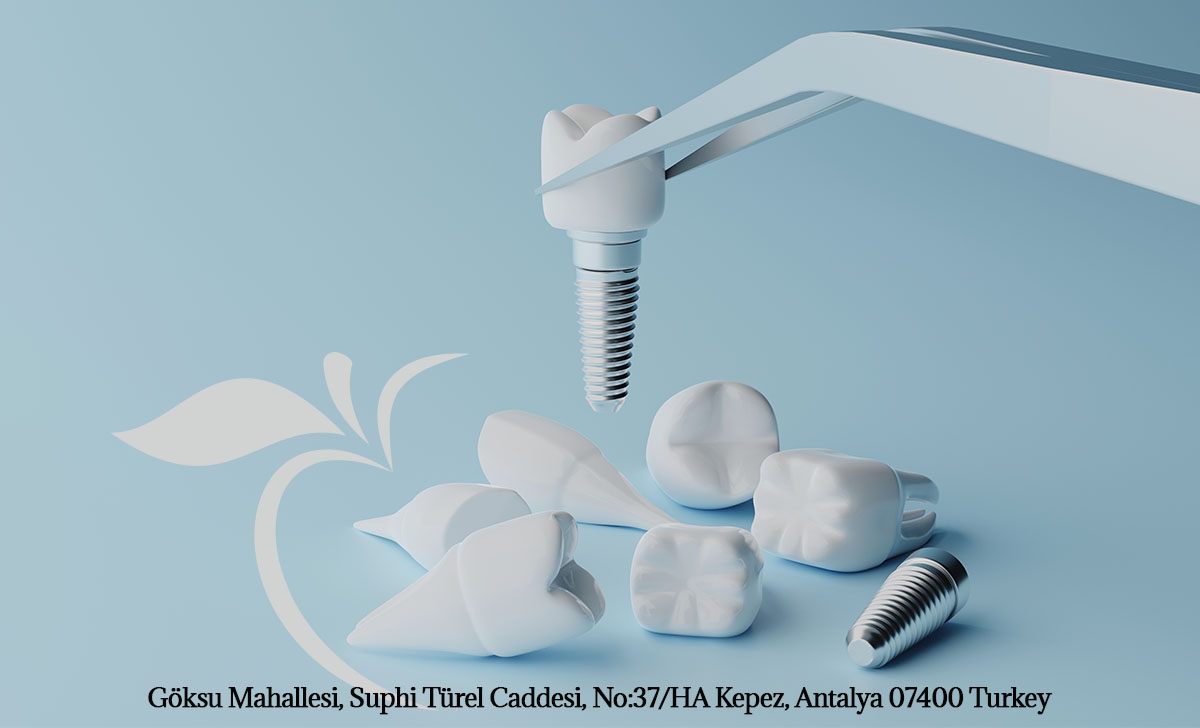
Welcome to Dental Clinic Antalya
Dental Clinic Antalya is located at Göksu Mahallesi, Suphi Türel
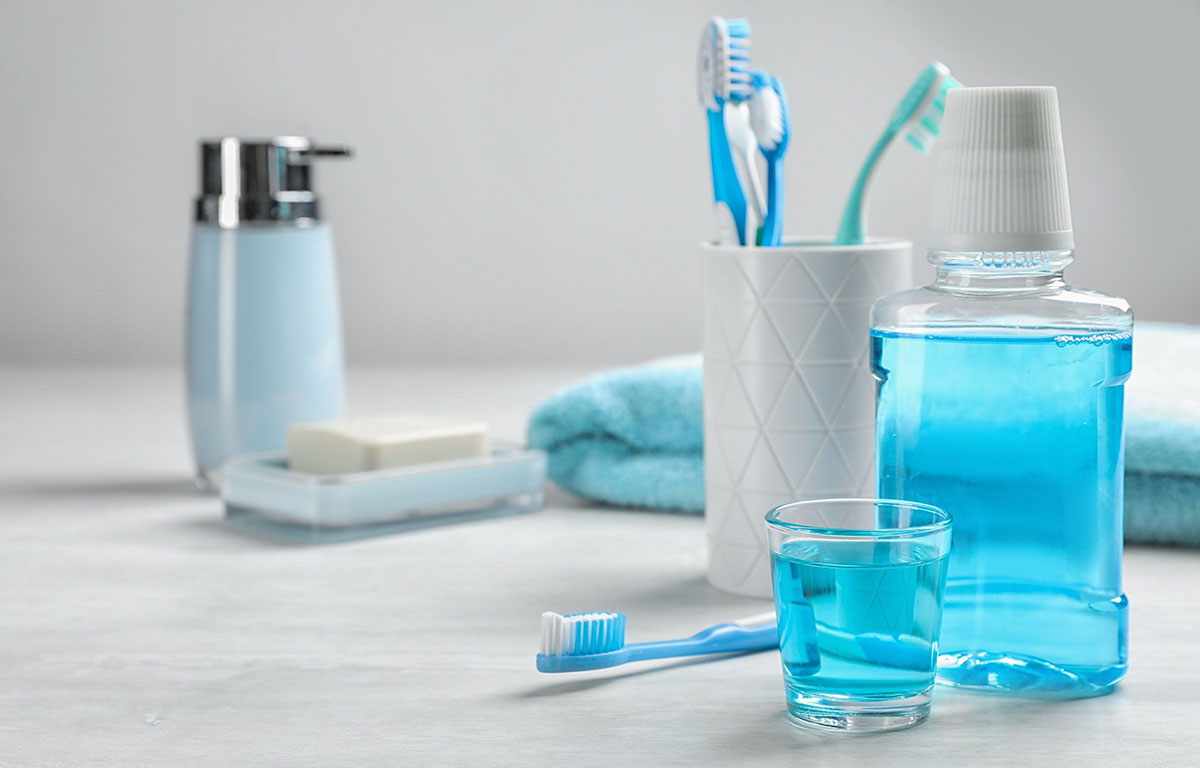
Oral care products
How often should I clean my teeth? It is important
Visiting a dental hygienist or dental therapist
What are dental hygienists and dental therapists? Dental hygienists and dental