
Privacy and Terms
Website Policies and Notices.
1. Privacy Policy
Explains what information we collect and why, how we use it, and how to review and update it.
Read our Privacy Policy
2. Terms of Service
Describes the rules you agree to when using our services.
Read our Terms of Service
3. Our Privacy and Security Principle
We build privacy that works for everyone. It’s a responsibility that comes with creating products and services that are free and accessible for all. We look to these principles to guide our products, our processes, and our people in keeping our users’ data private, safe, and secure.
4. FAQ
If you have a question for us, you can ask our Dental Helpline by telephone or email. Alternatively, please take a look at our library of oral health information, which contains a wide range of oral health advice in an easy-to-understand Q&A format.
Frequently Asked Questions About Dental Health
FAQs
Our FAQs are the most commonly-asked questions put to our Dental Helpline over the last year. If you have a question for us, you can ask our Dental Helpline by telephone or email. Alternatively, please take a look at our library of oral health information, which contains a wide range of oral health advice in an easy-to-understand Q&A format.
Gingivitis means ‘inflammation of the gums’. This is when the gums around the teeth become very red and swollen. Often the swollen gums bleed when they are brushed during cleaning.
No. If there is enough room they will usually come through into a useful position and cause no more problems than any other tooth.
Often there will be some slight discomfort as they come through, but this will disappear once the tooth is fully in position.
This can vary, but they are mainly made of glass particles, synthetic resin and a setting ingredient. Your dental team should be able to give you more information about the particular material they use.
We probably all know someone who has bad breath, but very few people feel brave enough to discuss the problem. It is obviously a very delicate matter to tell someone they have bad breath.
There is always the risk that they will be offended or embarrassed and may never speak to you again! However, it is always worth remembering that the bad breath may be caused by any number of problems. Once the person knows they have bad breath, they can deal with whatever is causing it.
You could try talking to their partner or a family member, as the bad breath may be caused by a medical condition which is already being treated.
You may like to leave a leaflet where the person is likely to see it.
Your Best Smile Starts Here
Follow along as Antalya Dental Hospital expert dentists share the latest oral health trends that impact you and your family’s overall health. Dentistry and Oral Health Blog is a rich source of information about dentistry, dental care, tips, news and more. Subscribe to our blog, newsroom and social media.

My fear of the dentist
Dentophobia (odontophobia), or fear of dentists, is a common phobia
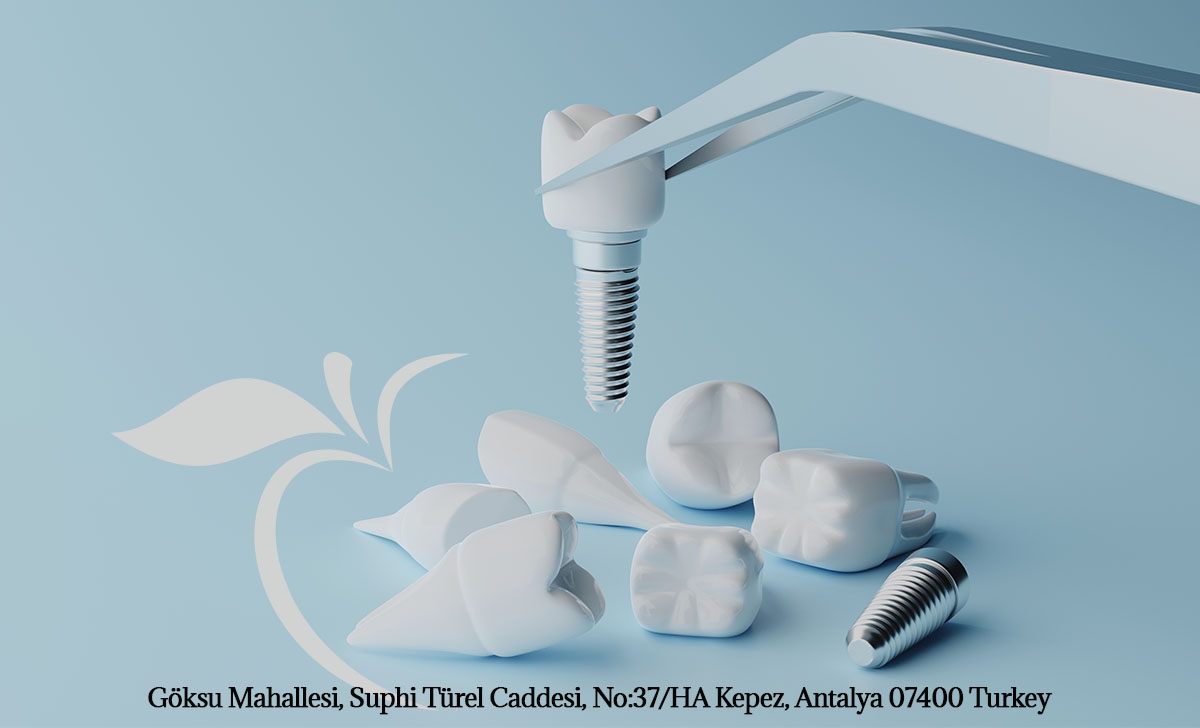
Welcome to Dental Clinic Antalya
Dental Clinic Antalya is located at Göksu Mahallesi, Suphi Türel
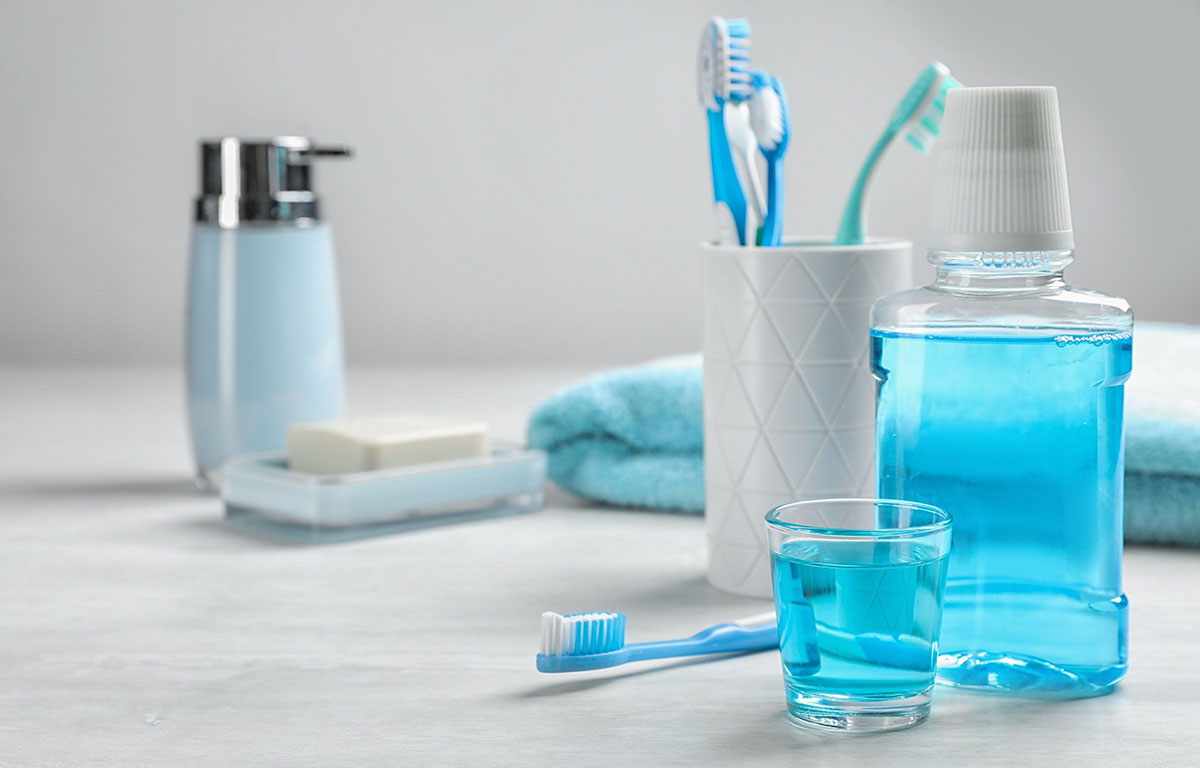
Oral care products
How often should I clean my teeth? It is important