

Dental Emergency at Antalya Dental Hospital, Turkey
Dental Emergency: What Are They, Benefits and Cost
In the dental clinic you can not only come to our outpatient service at any time from 8.30 in the morning. There is always someone available for you even after this ambulance service has ended.
We know what a nightly visit to the dentist entails and try to make your visit as pleasant as possible. We are happy to offer the follow-up treatments that are often necessary after the emergency therapy in our day services in the respective specialized departments of our dental clinic. The Antalya Dental Clinic is your central contact for oral health!
We are here for you. Always. And by always we mean 24/7.
Got a dental emergency?
Dental emergencies can happen to anyone. We know that some dental problems are often extremely painful or disconcerting. There are times when you need immediate attention, and we can help.
Urgent dental care comes in various forms – it can be treatment for toothache or injuries like a knocked out tooth, among other things. If you are experiencing any of the symptoms below, please give us a call right away.
Types of dental emergencies
- Painful swelling in your mouth
- Continued bleeding in your mouth after extraction or surgery
- Pain in your teeth, gums or jawbones
- Severe tooth sensitivity
- Gum infection that includes swelling or pain
- Broken, cracked or knocked-out tooth
- Any filling or crown that is chipped, broken or lost
- Any teeth issues that cause discomfort whilst eating
- Any mouth ulcers that cause discomfort
- Dressing change or removal of stitches
- Biopsy of abnormal tissue
- Cheek or gums that hurt from poking braces or wires
- Orthodontic brackets that come off
- Denture adjustment if you’re receiving radiation or treatment for cancer
It is important that we treat dental problems before they lead to more serious damage to your oral health.
If you need urgent dental attention after our clinic hours, we have an on-call team who will be happy and ready to help you.
Stay safe. We are here for you. Always.
We are committed to keeping you and our team safe.
We are taking every precaution recommended by the Antalya Health Authority and routinely follow gold standards in sterilization protocols to ensure that we keep our patients and our team protected, and to stop the spread of COVID-19.
Need more advice?
If you need free and impartial advice about your oral health, contact our Antalya Dental Hospital Helpline by email or call +90 242-999-1227 (local rate call in the Turkey).
Our Antalya Dental Hospital Helpline is completely confidential and has helped almost 20,000+ people. Contact our experts by telephone, email or online enquiry, Monday to Friday, 08:00 - 18:00.


Frequently Asked Questions About Dental Health
FAQs
Our FAQs are the most commonly-asked questions put to our Dental Helpline over the last year. If you have a question for us, you can ask our Dental Helpline by telephone or email. Alternatively, please take a look at our library of oral health information, which contains a wide range of oral health advice in an easy-to-understand Q&A format.
If your child wakes in the night crying with pain in the mouth it can be distressing for everyone involved. Such pain is usually an indication that something is wrong, and could be a sign of infection, tooth decay, an erupting tooth, an abscess or exposed dental nerves.
Our advice: Contact us straight away to arrange an immediate visit so we can treat the problem and soothe the pain. Use suitable pain-relieving oral gels (only those approved for use with children). Avoid giving child hot or very cold fluids or food which could make the pain worse.
First (or ‘baby’ or ‘milk’) teeth usually start to appear when your child is around 6 months old. All 20 baby teeth should appear by the age of 30 months. For more information, visit ‘Dental care for mother and baby’.
The first permanent ‘adult’ molars (back teeth) will appear at about 6 years, before the first baby teeth start to fall out at about 6 to 7. The permanent ‘adult’ teeth will then replace the ‘baby’ teeth. It is usually the lower front teeth that are lost first, followed by the upper front teeth shortly after. All permanent teeth should be in place by the age of 14, except the ‘wisdom’ teeth. These may appear any time between 18 and 25 years of age.
All children are different and develop at different rates.
Yes. Most dentists recommend using fluoride toothpaste to prevent decay. Fluoride has been proven to reduce tooth decay by at least 40 percent, so everyone should be encouraged to use fluoride toothpaste. There may already be fluoride in your drinking water. Research has shown that children living in areas that don’t have fluoride in the drinking water have more tooth decay than children living in areas that do have fluoride in the drinking water. Ask your dental team what amount of fluoride is right for you.
It is important to use only a small, pea-sized amount of toothpaste for children, as they are likely to swallow some of it. All children up to three years old should use a toothpaste with a fluoride level of at least 1000ppm (parts per million). After three years old, everyone should use a family toothpaste that has 1350ppm to 1500ppm of fluoride. After brushing you should spit out the toothpaste rather than rinsing, to prevent the fluoride being washed away.
If your dental team feel that you have a high risk of tooth decay, they may recommend and prescribe a toothpaste with more fluoride in it. This high level of fluoride can offer more protection to people more at risk of decay.
There are several toothpastes that contain ‘desensitising agents’ to help reduce the pain of sensitive teeth. Some people find that rubbing this toothpaste along the affected area and leaving it on overnight helps ease the discomfort.
Your Best Smile Starts Here
Follow along as Antalya Dental Hospital expert dentists share the latest oral health trends that impact you and your family’s overall health. Dentistry and Oral Health Blog is a rich source of information about dentistry, dental care, tips, news and more. Subscribe to our blog, newsroom and social media.
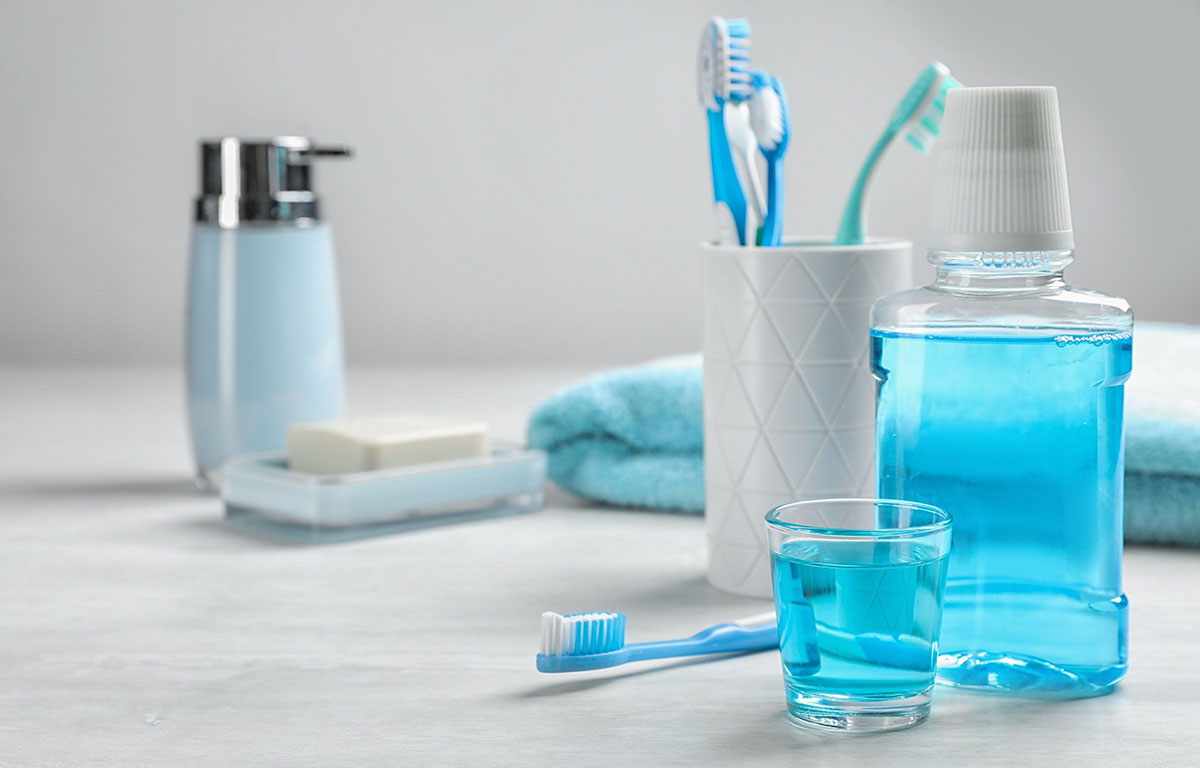
Oral care products
How often should I clean my teeth? It is important
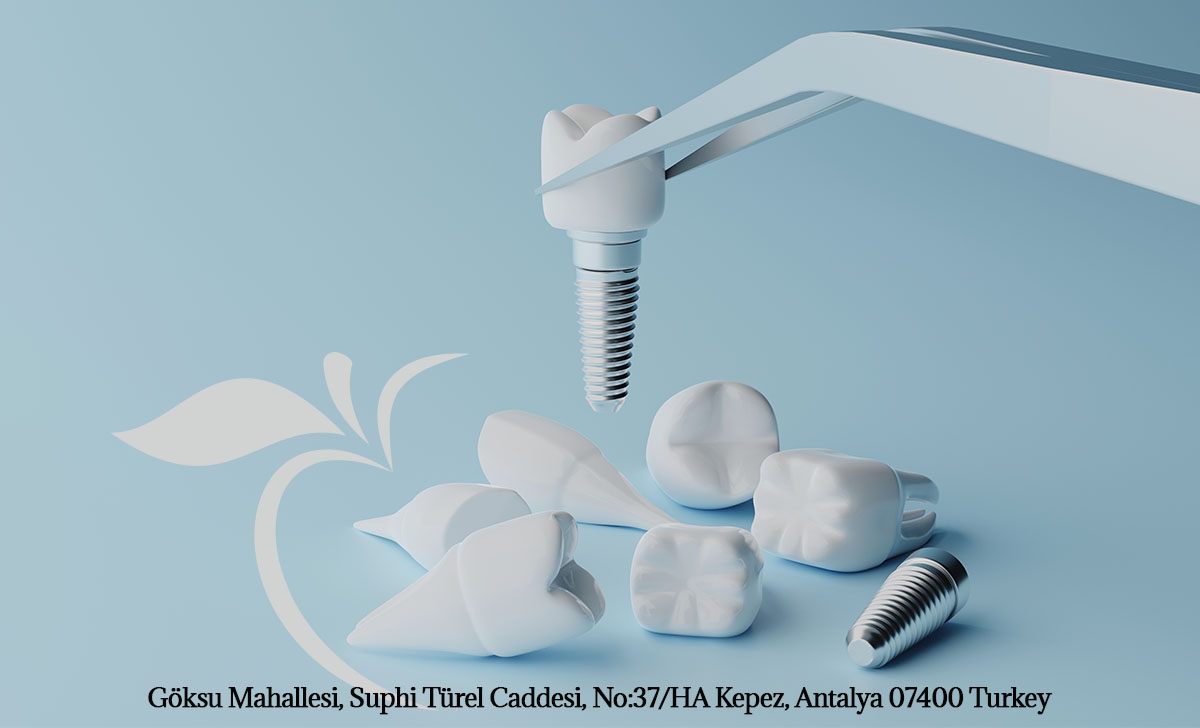
Welcome to Dental Clinic Antalya
Dental Clinic Antalya is located at Göksu Mahallesi, Suphi Türel
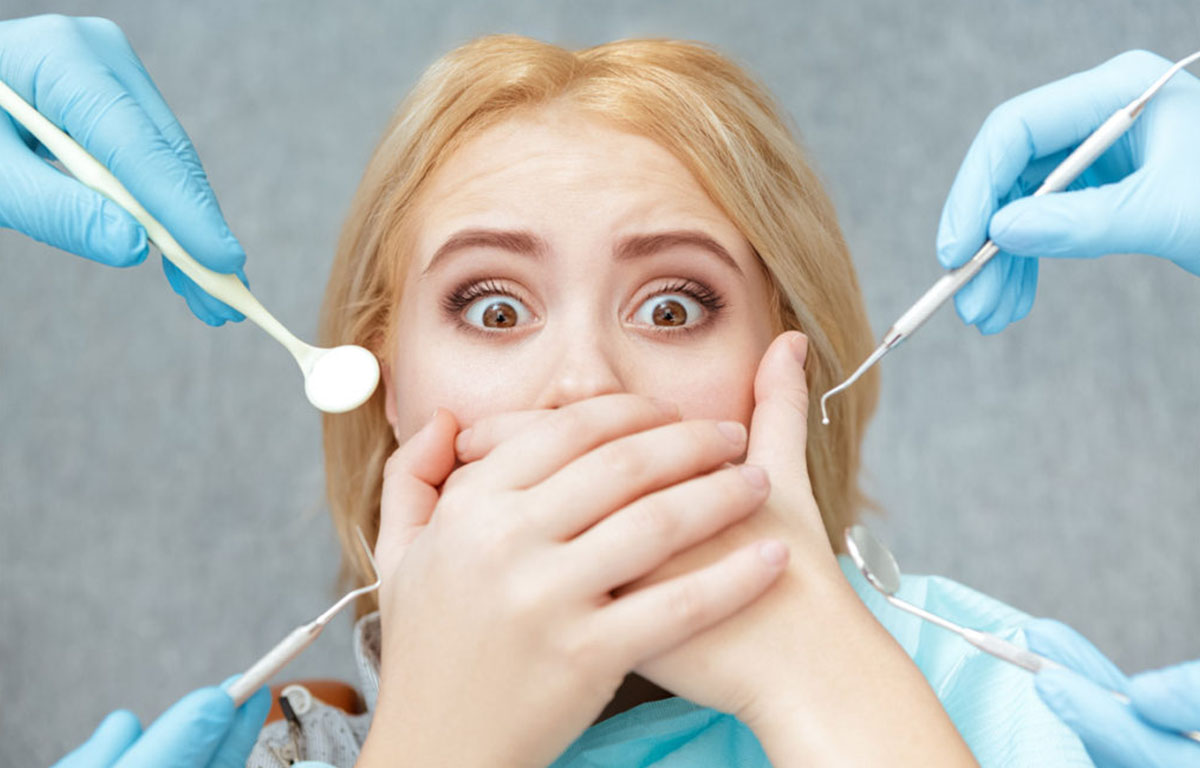
My fear of the dentist
Dentophobia (odontophobia), or fear of dentists, is a common phobia