
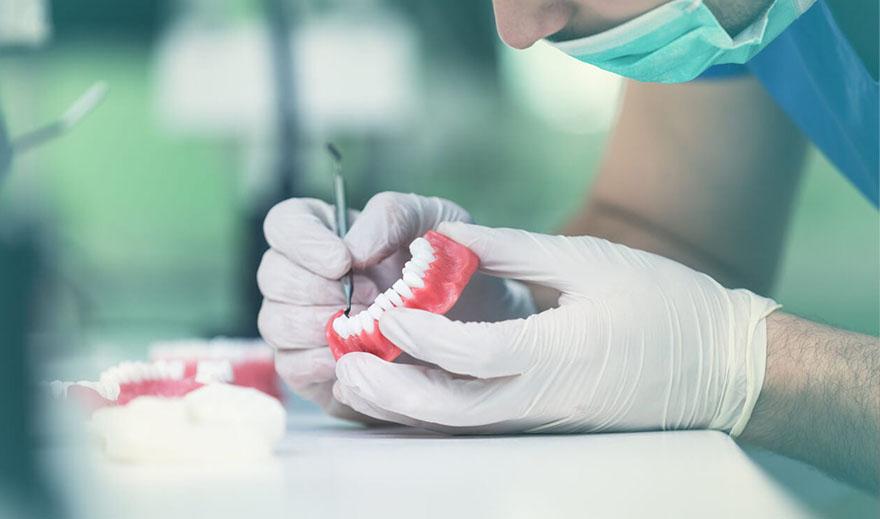
Prosthodontics at Antalya Dental Hospital, Turkey
Prosthodontics: What Are They, Benefits and Cost
A prosthodontist is a dentist who specializes in treating complex dental and facial matters, including the restoration and replacement of missing or damaged teeth with artificial devices. They are highly trained in dental implants, crowns, bridges, dentures, jaw disorders, and more.
Restore the confidence in your smile.
Certain factors like genetics, facial trauma, illnesses and poor oral hygiene may contribute to the loss of teeth or their function. Patients who need to restore the function and aesthetics of their teeth are often referred to a prosthodontist.
Prosthodontics, also called prosthetic dentistry, is a specialty that refers to the diagnosis, treatment, rehabilitation and maintenance of a patient’s smile and oral function. With prosthodontics, our patients are able to regain and preserve the dynamics of their mouth as well as enjoy a confident smile.
simple and complex restorations.
At Dental Studio Antalya, our prosthodontist specializes in both simple and complex restorative treatments, cosmetics, crowns and bridges, dentures, full mouth rehabilitation, smile makeovers, and the treatment of temporomandibular disorders (TMJ/TMD).
If you want to improve your smile and oral health, come visit our specialist prosthodontist today.
Our specialist prosthodontist performs the following treatments
- Veneers and crowns
- Implants, dentures and bridges
- Enamel shaping
- Dental bonding
- Smile makeovers
- Full mouth rehabilitation
- TMJ/TMD treatment
Need more advice?
If you need free and impartial advice about your oral health, contact our Antalya Dental Hospital Helpline by email or call +90 242-999-1227 (local rate call in the Turkey).
Our Antalya Dental Hospital Helpline is completely confidential and has helped almost 20,000+ people. Contact our experts by telephone, email or online enquiry, Monday to Friday, 08:00 - 18:00.


Frequently Asked Questions About Dental Health
FAQs
Our FAQs are the most commonly-asked questions put to our Dental Helpline over the last year. If you have a question for us, you can ask our Dental Helpline by telephone or email. Alternatively, please take a look at our library of oral health information, which contains a wide range of oral health advice in an easy-to-understand Q&A format.
The best candidates for teeth whitening are those with healthy teeth and gums. You will be advised to get a full dental check-up prior to your whitening appointment to ensure that you don’t have cavities or any other issues with your oral health. For best results, it is recommended that you have a clean prior to your appointment.
Yes. However, because a ‘dead’ tooth is more brittle, you may need to have a crown to provide extra support and strength to the tooth.
Many dentists today offer special treatment for nervous patients. The first fear to deal with is the fear of telling other people that you are afraid of dental treatment. If you can discuss it with your friends or colleagues you are likely to find someone else who has similar problems. They may be able to recommend a dentist to you. A dentist who is personally recommended by another nervous person is usually a very good choice.
Yes. This means that they should be used to dealing with nervous patients regularly.
If you are nervous about dental treatment, you need to be looked after by a dental practice that will take special care of you. You may need to travel some distance, but it will be worth the effort when you are no longer afraid.
Your Best Smile Starts Here
Follow along as Antalya Dental Hospital expert dentists share the latest oral health trends that impact you and your family’s overall health. Dentistry and Oral Health Blog is a rich source of information about dentistry, dental care, tips, news and more. Subscribe to our blog, newsroom and social media.
Smoking and oral health
It’s no secret that smoking is bad for your general
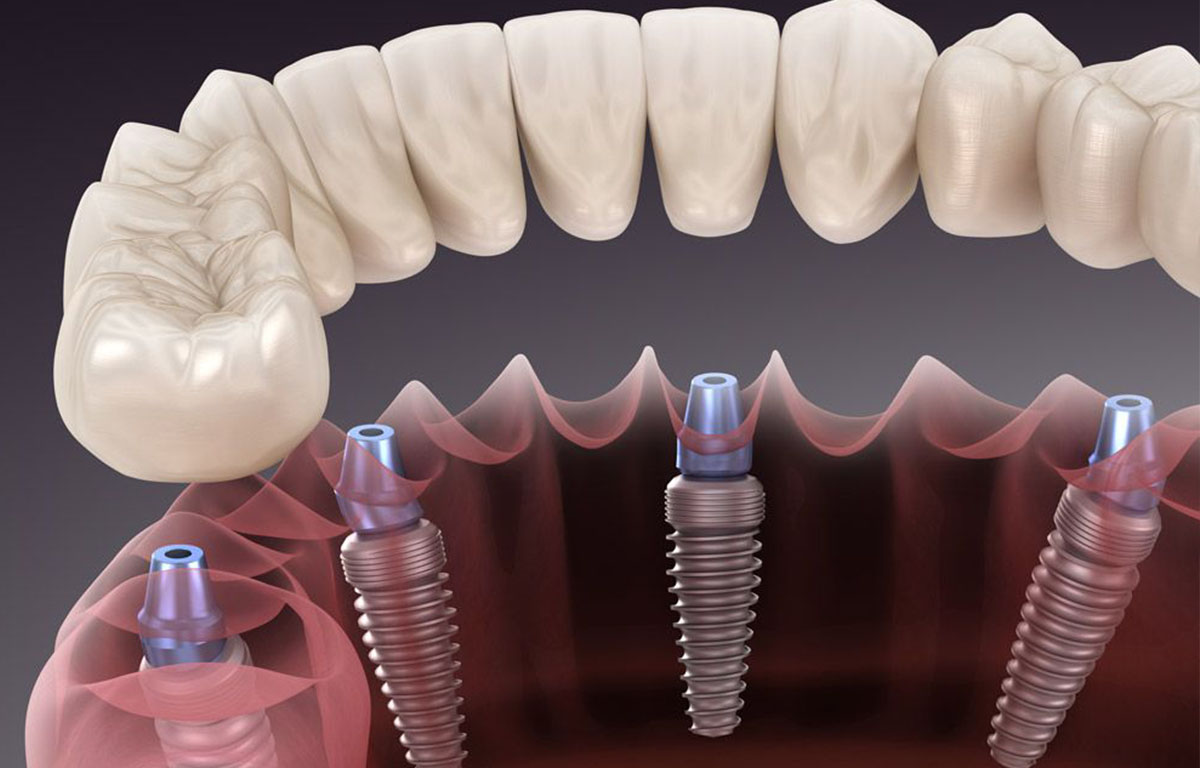
Implants
A dental implant is a metal post that replaces the
Oral care products
How often should I clean my teeth? It is important