
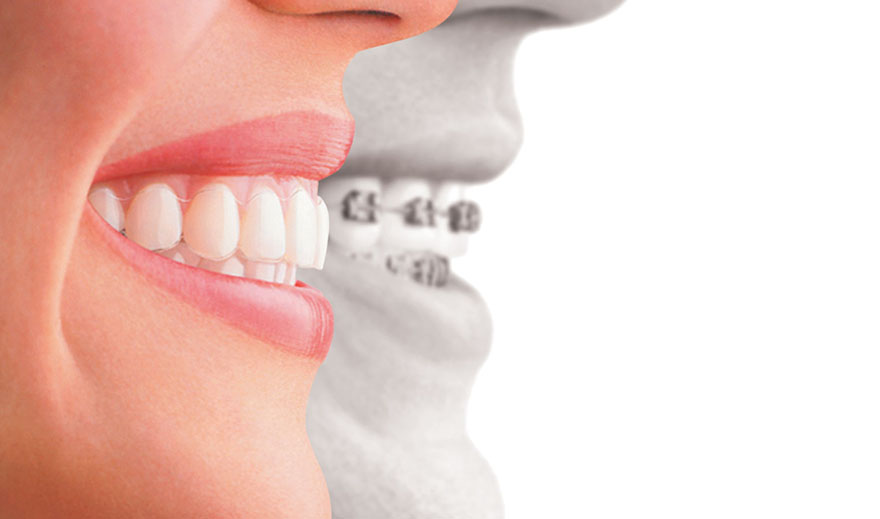
Braces and Aligners at Antalya Dental Hospital, Turkey
Braces and Aligners: What Are They, Benefits and Cost
BRACES & ALIGNERS
Straighten your teeth and perfect your smile.
Achieving a beautiful, healthy smile is often the reason why most people come to the Antalya Dental Hospital for orthodontic treatment.
Crooked, misaligned teeth often make people feel self-conscious about their smile and overall appearance. This is something we understand, and our orthodontist have many options to help our patients achieve straight teeth and a healthy bite.
Modern orthodontics offer a variety of alternatives that work for both children and adults. In fact, newer techniques allow our specialist orthodontist to provide treatments that are quicker, more comfortable and more successful than ever.
Need more advice?
If you need free and impartial advice about your oral health, contact our Antalya Dental Hospital Helpline by email or call +90 242-999-1227 (local rate call in the Turkey).
Our Antalya Dental Hospital Helpline is completely confidential and has helped almost 20,000+ people. Contact our experts by telephone, email or online enquiry, Monday to Friday, 08:00 - 18:00.


Frequently Asked Questions About Dental Health
FAQs
Our FAQs are the most commonly-asked questions put to our Dental Helpline over the last year. If you have a question for us, you can ask our Dental Helpline by telephone or email. Alternatively, please take a look at our library of oral health information, which contains a wide range of oral health advice in an easy-to-understand Q&A format.
Before the treatment is started, agree with your dental team a sign that means ‘stop now – I need a break’. Usually you can just raise your hand, and the treatment can be stopped for a few minutes until you are ready to start again. Once you know that you can control the situation you will feel more confident.
Yes. Tobacco causes its own type of bad breath. The only answer in this case is to stop smoking. As well as making your breath smell, smoking causes staining and loss of taste, and irritates the gums. People who smoke are more likely to suffer from gum disease and have a greater risk of developing cancer of the mouth, lung cancer and heart disease. Ask your dentist, pharmacist or healthcare professional for help with stopping smoking. If you do stop smoking, but still have bad breath, then you need to see your dental team or doctor for advice.
Yes. It is important to get advice as soon as possible to help the treatment be more effective. If they are not treated, cracked teeth can lead to the death of the nerve, and an abscess might grow. The tooth could need root canal treatment or even taking out. In severe cases the tooth can actually split in two. If this happens your dentist will not be able to save the tooth and it will need to be taken out.
A mouthwash of medium-hot water with a teaspoonful of salt will help to reduce gum soreness and inflammation (check that it is not too hot before using it). Swish the salt water around the tooth, trying to get into the areas your toothbrush cannot reach. Do this several times a day.
An antibacterial mouthwash containing chlorhexidine can also reduce the inflammation. Pain-relieving tablets such as paracetamol or ibuprofen can also be useful in the short term, but talk to your dental team if the pain continues. The tablets should always be swallowed and not placed on the area.
Your Best Smile Starts Here
Follow along as Antalya Dental Hospital expert dentists share the latest oral health trends that impact you and your family’s overall health. Dentistry and Oral Health Blog is a rich source of information about dentistry, dental care, tips, news and more. Subscribe to our blog, newsroom and social media.
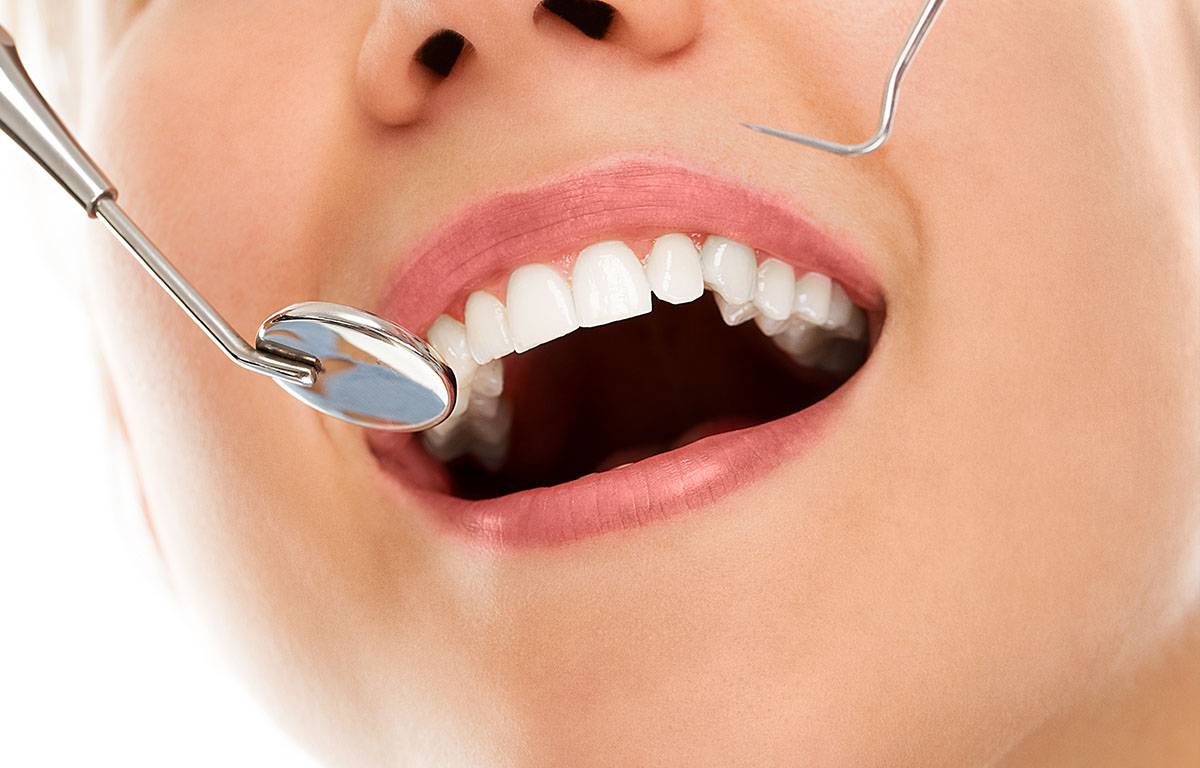
Smile aesthetics
Say hello to a new look with any number of

Transfer 3D computer tomography (CT) via the Internet
Computed tomography of maxillofacial department (teeth picture in 3D) -
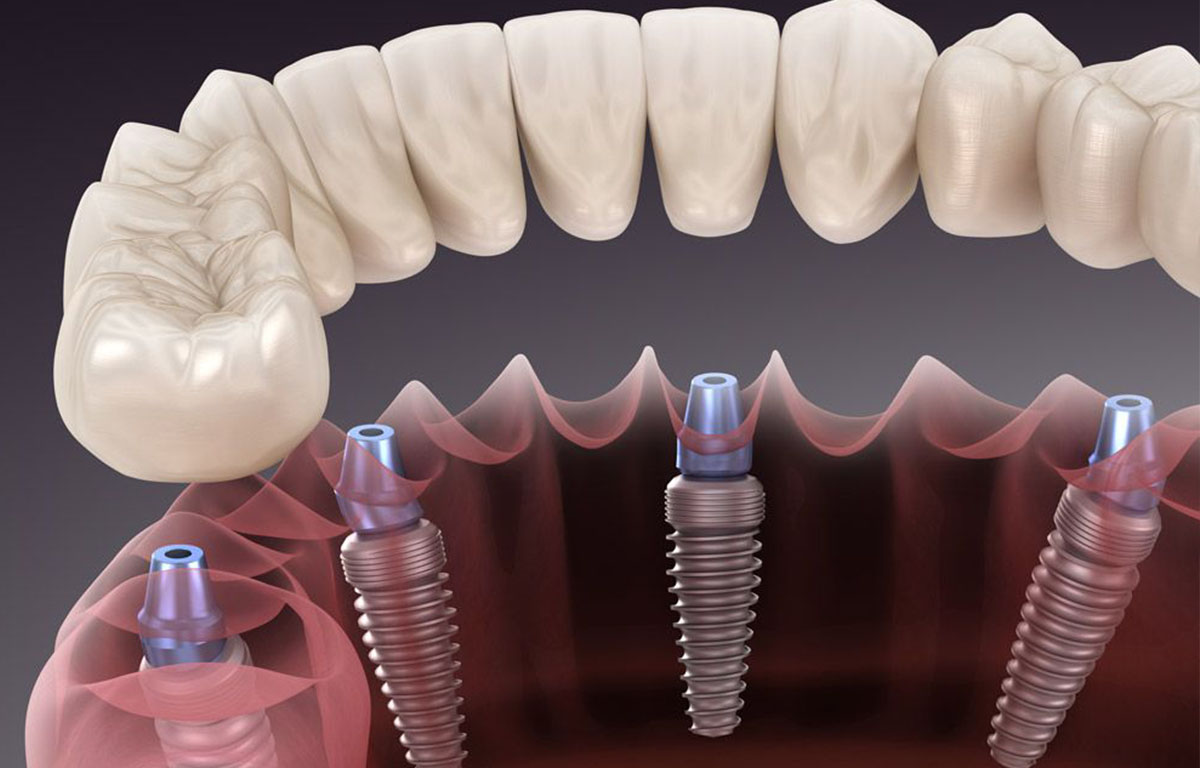
Implants
A dental implant is a metal post that replaces the