
Second Opinion at Antalya Dental Hospital, Turkey
Second Opinion: What Are They, Benefits and Cost
Has dental treatment ever taken you by surprise?
Our Second Opinion Program (SOP) is open to anyone who wishes to have an alternative, honest, and open discussion about a given treatment plan.
Second opinions are valuable when it comes to making decisions that can potentially save you time, effort, or money.
It is only natural that we ask friends and family for their second opinion on almost anything – be it a new restaurant, summer camp for our kids, or even family holidays.
The same applies to our oral health.
Why get a second opinion?
The truth is, there will always be a difference when it comes to treatment proposals and costs. It is important to understand that every dentist is different. We all have unique backgrounds, trainings, and interests. With all these in mind, we believe that it is our responsibility to cut through the confusion and re-establish trust in our profession.
TERMS & CONDITIONS
- Our Second Opinion Program is open to anyone who wishes to have an alternative, honest, and open discussion about a treatment plan that has been created for him or her.
- You will receive a savings certificate worth … to facilitate your consultation.
- You will have to share your current treatment plan and/or latest X-ray(s) to receive your savings certificate. A fee will incur if you are unable to provide your X-ray(s).
- You will receive a call within 24 to 48 hours confirming your appointment.
- You will receive your savings certificate on your email. It is valid for 30 days upon issue.
- Please save a copy of your savings certificate and bring it with you on the day of your appointment.
- Your savings certificate is non-transferable, non-refundable, and non-convertible to cash.
Need more advice?
If you need free and impartial advice about your oral health, contact our Antalya Dental Hospital Helpline by email or call +90 242-999-1227 (local rate call in the Turkey).
Our Antalya Dental Hospital Helpline is completely confidential and has helped almost 20,000+ people. Contact our experts by telephone, email or online enquiry, Monday to Friday, 08:00 - 18:00.


Frequently Asked Questions About Dental Health
FAQs
Our FAQs are the most commonly-asked questions put to our Dental Helpline over the last year. If you have a question for us, you can ask our Dental Helpline by telephone or email. Alternatively, please take a look at our library of oral health information, which contains a wide range of oral health advice in an easy-to-understand Q&A format.
The first thing to do is to visit your own dental team and get their advice. Your dental team will know whether you need treatment and will make the necessary arrangements.
Your dental team will be able to give you a rough timetable before the treatment starts.
Some false teeth can now even be fitted at the same time as the implants (these are called ‘immediate implants’). Check with your dental team to see whether these are suitable for you. Usually the false teeth are fitted 3 to 4 months after the implants are put in. Sometimes treatment takes longer and your dental team will be able to talk to you about your treatment time.
Dental erosion is the gradual loss of tooth enamel caused by acid attacks. Enamel is the hard, protective coating of the tooth. If it is worn away, the dentine underneath is exposed and your teeth can look discoloured and become sensitive.
Drink up
Acidic foods and drinks and fizzy drinks cause dental erosion.
Still water and milk are the best things to drink. Tea without sugar is also good for teeth as it contains fluoride.
Drink fruit juice just at mealtimes. If you want to drink fruit juices between meals, try diluting them with water.
Snacks
Avoid sugary snacks. If you need to eat between meals try these foods instead:
- Plain popcorn.
- Nuts.
- Cheese.
- Breadsticks.
- Plain yogurt.
- Rice cakes.
- Unsweetened cereal.
- Plain bagels.
- Fresh soup.
- Raw vegetable pieces.
- Fresh fruit.
If an incorrect bite is not treated the face can ‘collapse’. This can cause the face to sag, the chin to stick out or the smile to droop. It can even cause headaches, neck pain and pain in other parts of the body.
Your Best Smile Starts Here
Follow along as Antalya Dental Hospital expert dentists share the latest oral health trends that impact you and your family’s overall health. Dentistry and Oral Health Blog is a rich source of information about dentistry, dental care, tips, news and more. Subscribe to our blog, newsroom and social media.
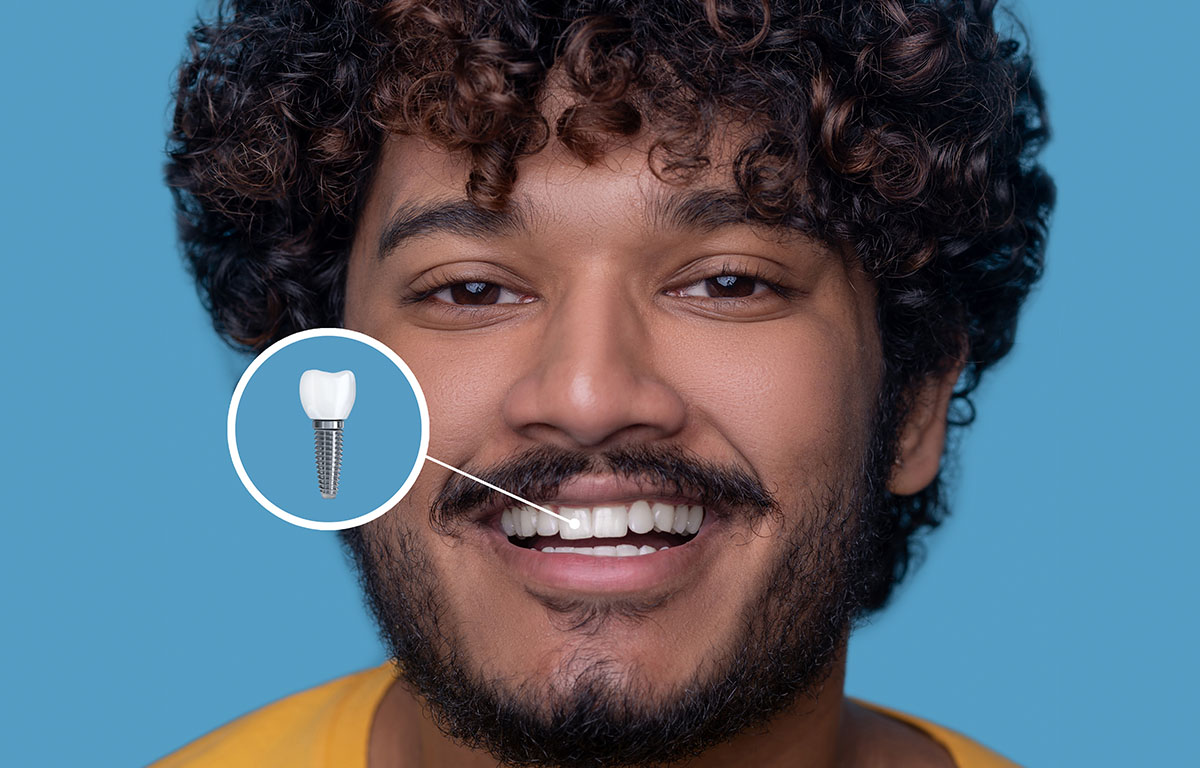
Implants for life
If you’re looking for a long-term solution for missing teeth,
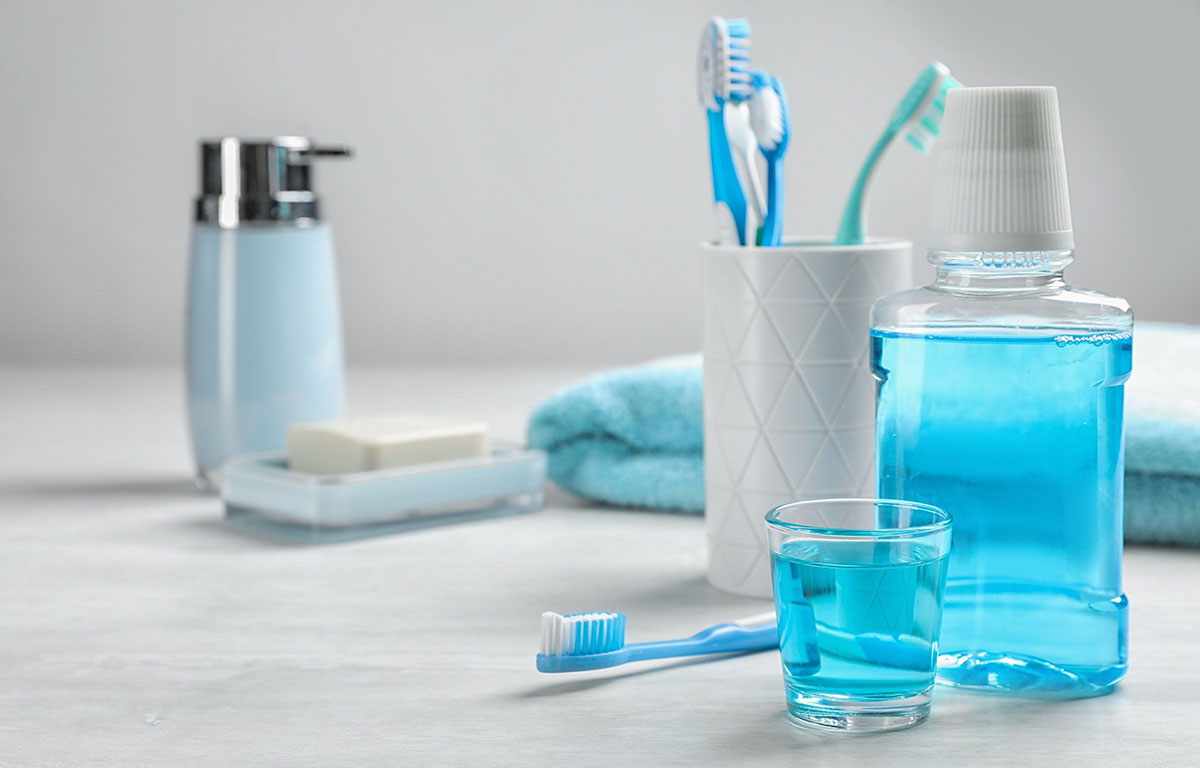
Oral care products
How often should I clean my teeth? It is important
Do I Need a Dentist for a Dental Emergency?
What do you do if you just hit your face