
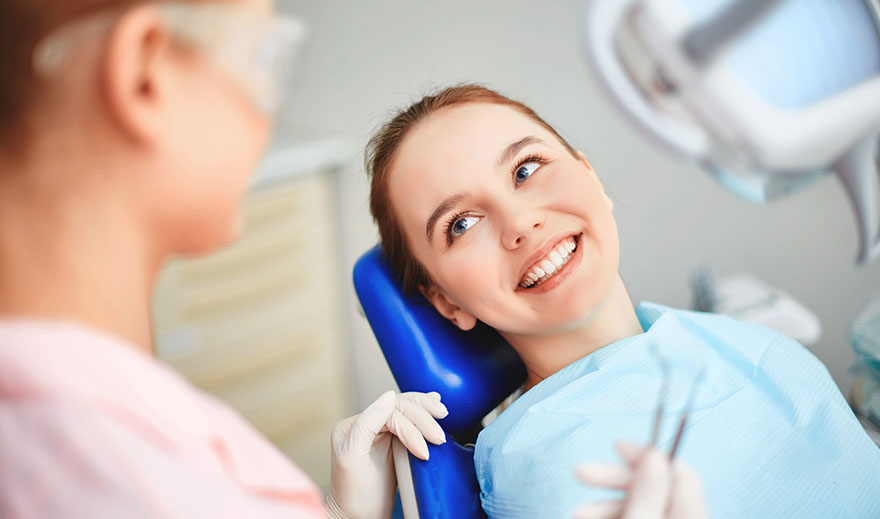
Cleaning, Scale & Polish at Antalya Dental Hospital, Turkey
Cleaning, Scale & Polish: What Are They, Benefits and Cost
A scale and polish can be done by your dentist or hygienist. The first ‘scrape’ stage removes the deposits of plaque and tartar. Often an ultrasound scraper is used first to get rid of the bulk of the tartar, followed by specialised hand held instruments to scrape away any stubborn remains.
Reinforce good oral hygiene habits.
Visiting your hygienist regularly for cleaning is very important in keeping your mouth healthy. Even if you clean your teeth every day, plaque can still build up in areas that are difficult to reach with your toothbrush alone.
Your hygienist is the expert in teeth cleaning, often called a ‘scale and polish’. They are especially trained to carry out preventative oral care and they have all the tools to remove the buildup of plaque and calculus.
Improve your personal oral hygiene with scale and polish.
During your scale and polish appointment, our hygienist will look for early signs of gum disease and will discuss ways to improve your personal oral hygiene and oral habits.
At the Dental Clinic Antalya, we recommend visiting our hygienist every 6 months for teeth cleaning, scale and polish to remove plaque buildup and reinforce good oral hygiene habits. For patients wearing braces, we advise them to schedule their hygiene appointments more frequently to keep their teeth in great health during their treatment.
Guided Biofilm Therapy – Advanced Hygiene System
- Guided Biofilm Therapy (GBT) using AIRFLOW® delivers a more effective clean in less amount of time. Simply put, it’s a hygiene treatment that makes you feel good.
High Gloss – Diamond Polish
Restore your teeth’s natural sparkle.
- Our High Gloss Diamond Polish is a 60-minute OMNI-clean which promises to restore your teeth’s natural sparkle and whiteness.
Need more advice?
If you need free and impartial advice about your oral health, contact our Antalya Dental Hospital Helpline by email or call +90 242-999-1227 (local rate call in the Turkey).
Our Antalya Dental Hospital Helpline is completely confidential and has helped almost 20,000+ people. Contact our experts by telephone, email or online enquiry, Monday to Friday, 08:00 - 18:00.


Frequently Asked Questions About Dental Health
FAQs
Our FAQs are the most commonly-asked questions put to our Dental Helpline over the last year. If you have a question for us, you can ask our Dental Helpline by telephone or email. Alternatively, please take a look at our library of oral health information, which contains a wide range of oral health advice in an easy-to-understand Q&A format.
Total care toothpastes contain a number of ingredients to make them an effective ‘all-round’ toothpaste. They contain anti-bacterial agents, ingredients which help control plaque and prevent gum disease, fluoride to help prevent tooth decay and flavours which help to freshen the breath. They may also contain whitening or tartar-control ingredients.
A mouthwash of medium-hot water with a teaspoonful of salt will help to reduce gum soreness and inflammation (check that it is not too hot before using it). Swish the salt water around the tooth, trying to get into the areas your toothbrush cannot reach. Do this several times a day.
An antibacterial mouthwash containing chlorhexidine can also reduce the inflammation. Pain-relieving tablets such as paracetamol or ibuprofen can also be useful in the short term, but talk to your dental team if the pain continues. The tablets should always be swallowed and not placed on the area.
Bad breath is a very common problem and there are many different causes. Persistent bad breath is usually caused by the smelly gases released by the bacteria that coat your teeth, gums and tongue. Also, bits of food that get caught between the teeth and on the tongue, will rot and can sometimes cause an unpleasant smell. Strong foods like garlic, coffee and onions can add to the problem. So, it is very important to brush your teeth correctly and regularly. This will help keep your breath smelling fresh.
The bacteria on our teeth and gums (called ‘plaque’) also cause gum disease and tooth decay. One of the warning signs of gum disease is that you always have bad breath or a bad taste in your mouth. Again, your dental team will be able to see and treat the problem during your regular check-ups. The earlier the problems are found, the more effective the treatment will be.
Smoking can cause tooth staining, gum disease, tooth loss and – more seriously – mouth cancer. Smoking is also one of the main causes of bad breath.
Alcoholic drinks can also cause mouth cancer. If you smoke and drink you are more at risk.
Alcohol can also increase the risk of tooth decay and erosion. Some alcoholic drinks have a lot of sugar in them, and some mixed drinks may contain acids. So they can cause decay or dental erosion if you drink them often and in large amounts.
Illegal drugs can lead to a range of health problems. Smoking cannabis can have the same effects as smoking tobacco. Other drugs can cause a dry mouth and increase the risk of erosion, decay, gum disease and bad breath. Drugs can also cause you to grind your teeth, which can cause headaches and other problems. Many drugs can cause a craving for sugar, such as sweets and fizzy drinks, which can case tooth decay.
The human papillomavirus (HPV) is the main cause of cervical cancer and affects the skin that lines the moist areas of the body (such as the mouth). It can be spread through oral sex. Practising safe sex and limiting the number of partners you have may help reduce your chances of getting HPV.
You may hear about teenage girls being offered the HPV vaccine to help prevent the virus. Talk to someone at your medical practice, or your parents or guardians, if you want to know more about this.
Your dentist may ask you questions about your lifestyle choices and general health because these may affect the health of your mouth.
Your Best Smile Starts Here
Follow along as Antalya Dental Hospital expert dentists share the latest oral health trends that impact you and your family’s overall health. Dentistry and Oral Health Blog is a rich source of information about dentistry, dental care, tips, news and more. Subscribe to our blog, newsroom and social media.

Do I Need a Dentist for a Dental Emergency?
What do you do if you just hit your face
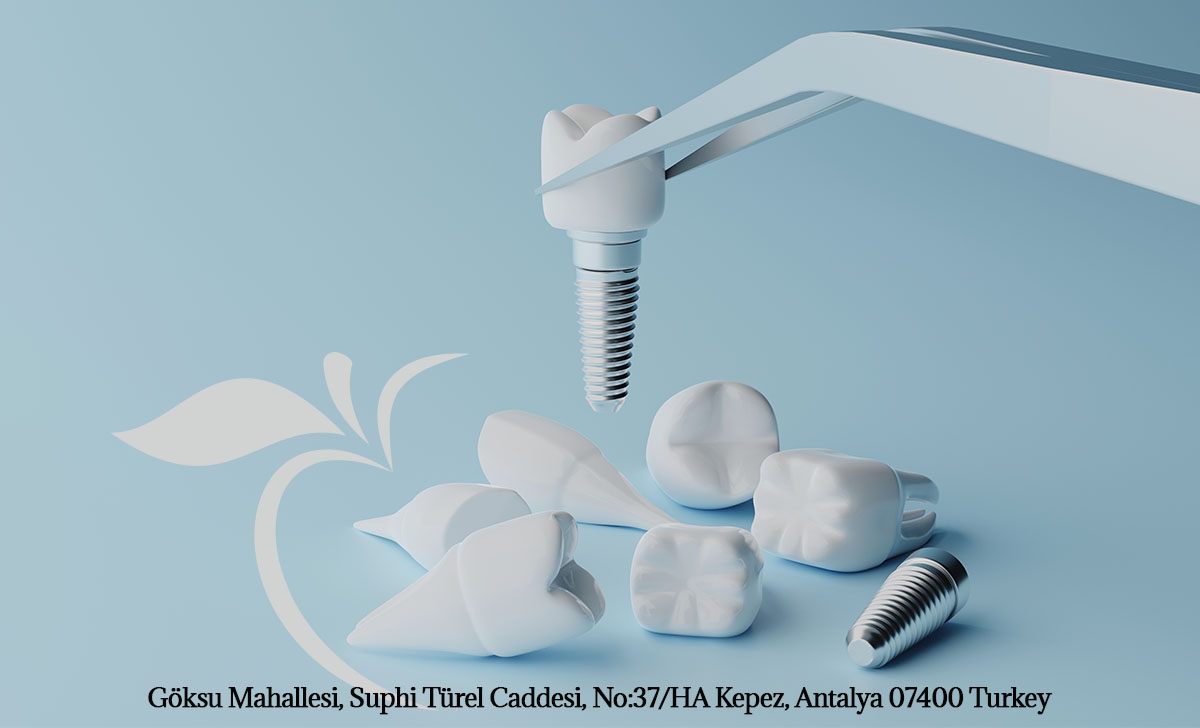
Welcome to Dental Clinic Antalya
Dental Clinic Antalya is located at Göksu Mahallesi, Suphi Türel
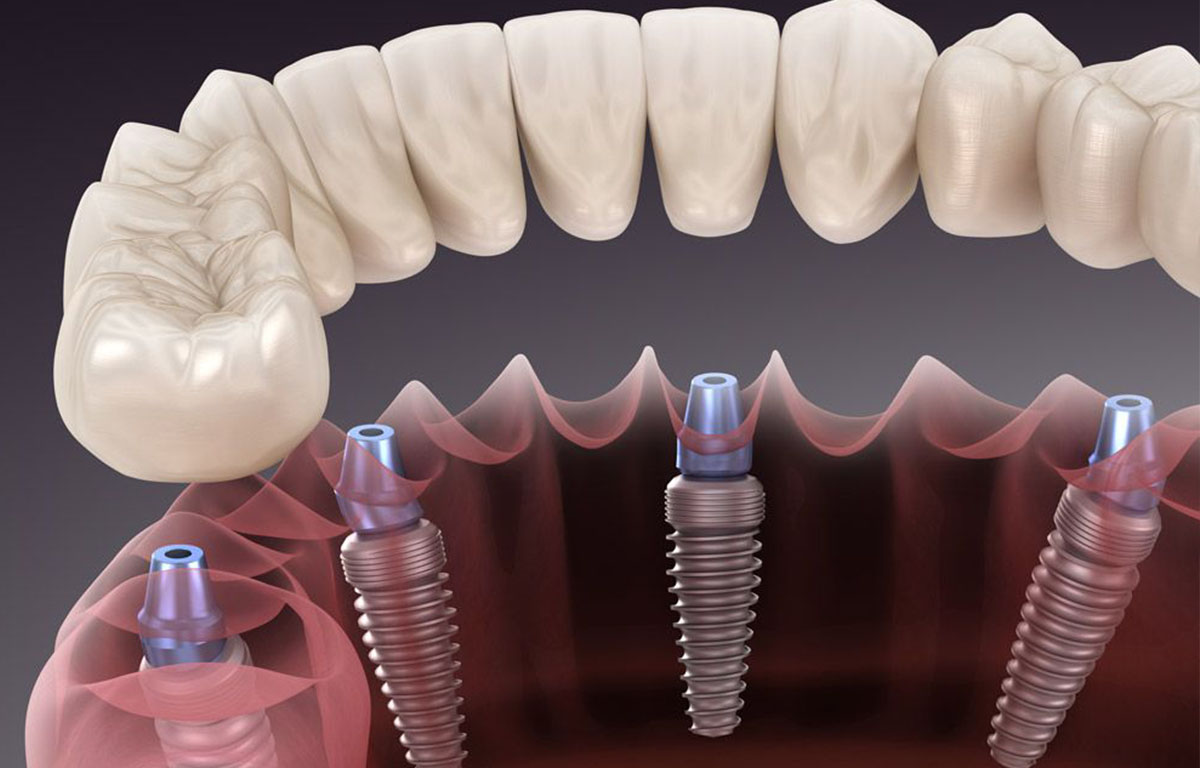
Implants
A dental implant is a metal post that replaces the