
Privacy and Terms
Website Policies and Notices.
1. Privacy Policy
Explains what information we collect and why, how we use it, and how to review and update it.
Read our Privacy Policy
2. Terms of Service
Describes the rules you agree to when using our services.
Read our Terms of Service
3. Our Privacy and Security Principle
We build privacy that works for everyone. It’s a responsibility that comes with creating products and services that are free and accessible for all. We look to these principles to guide our products, our processes, and our people in keeping our users’ data private, safe, and secure.
4. FAQ
If you have a question for us, you can ask our Dental Helpline by telephone or email. Alternatively, please take a look at our library of oral health information, which contains a wide range of oral health advice in an easy-to-understand Q&A format.
Frequently Asked Questions About Dental Health
FAQs
Our FAQs are the most commonly-asked questions put to our Dental Helpline over the last year. If you have a question for us, you can ask our Dental Helpline by telephone or email. Alternatively, please take a look at our library of oral health information, which contains a wide range of oral health advice in an easy-to-understand Q&A format.
There are special toothpastes for people who smoke. They are sometimes a little more abrasive than ordinary toothpastes and you should use them with care. Your dental team may recommend that you use these toothpastes alternately with your usual toothpaste. There are several ‘whitening’ toothpastes on the market. Although they do not affect the natural colour of your teeth, they may be effective at removing staining, and therefore may improve the overall appearance of your teeth.
Probably. Most people suffer from some form of gum disease, and it is a major cause of tooth loss in adults. However, the disease develops very slowly in most people, and it can be slowed down to a rate that should allow you to keep most of your teeth for life.
At times physicians and dentists recommend that a patient take antibiotics before certain dental procedures. This is called “antibiotic prophylaxis.” But why do healthcare providers suggest this extra step?
We all have bacteria in our mouths, and a number of dental treatments—and even daily routines like chewing, brushing or flossing—can allow bacteria to enter the bloodstream (bacteremia). For most of us, this isn’t a problem. A healthy immune system prevents these bacteria from causing any harm. There is concern, however, that for some people bacteremia can cause an infection elsewhere in the body.
Cosmetic contouring can be used to improve the appearance of teeth. It is ideal if you have irregular-shaped or slightly crowded teeth.
However, in contouring the teeth a small amount of enamel would be lost. Contouring can also be used to improve the shape and appearance of your gums. These treatments are not recommended for young children.
Your Best Smile Starts Here
Follow along as Antalya Dental Hospital expert dentists share the latest oral health trends that impact you and your family’s overall health. Dentistry and Oral Health Blog is a rich source of information about dentistry, dental care, tips, news and more. Subscribe to our blog, newsroom and social media.
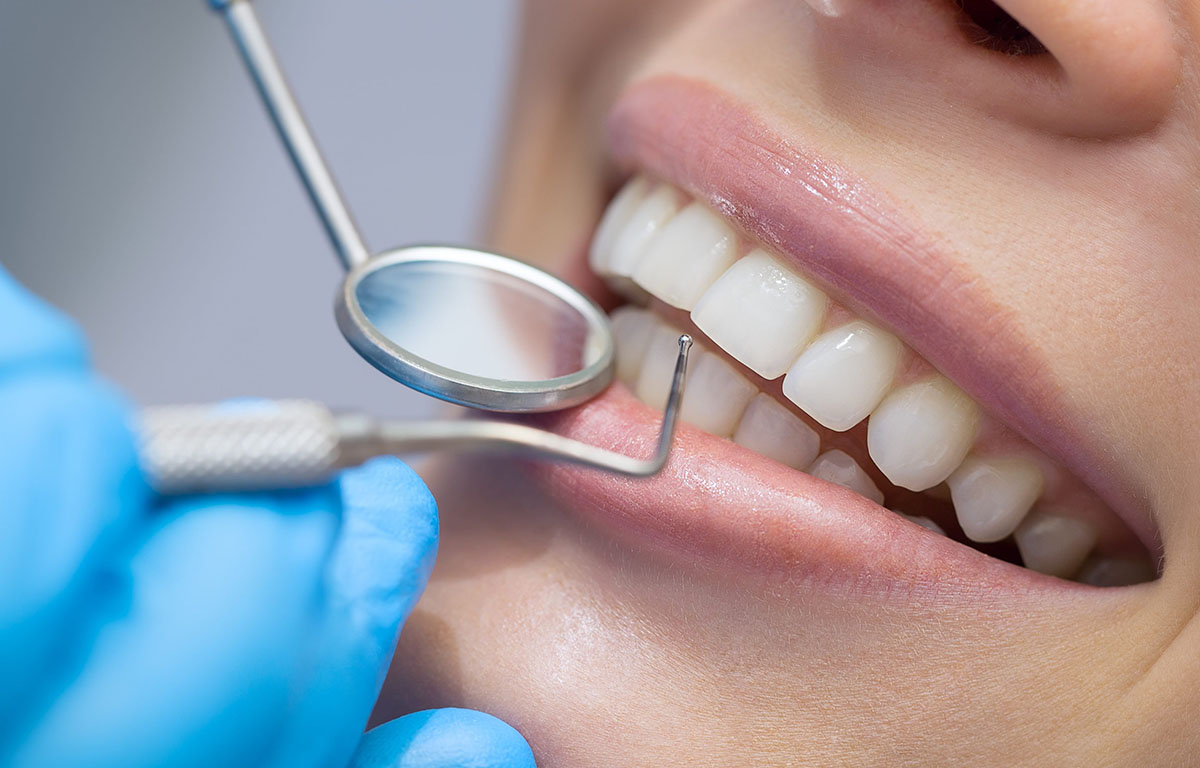
Smoking and oral health
It’s no secret that smoking is bad for your general
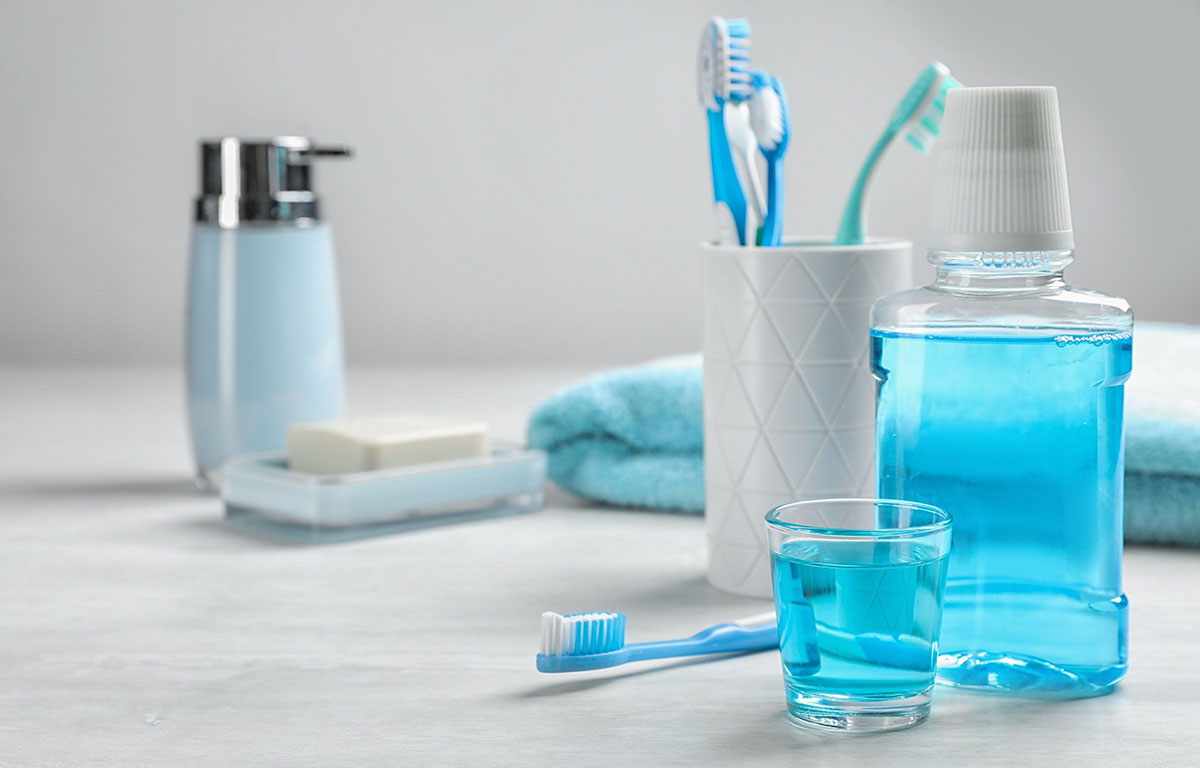
Oral care products
How often should I clean my teeth? It is important

Transfer 3D computer tomography (CT) via the Internet
Computed tomography of maxillofacial department (teeth picture in 3D) -