
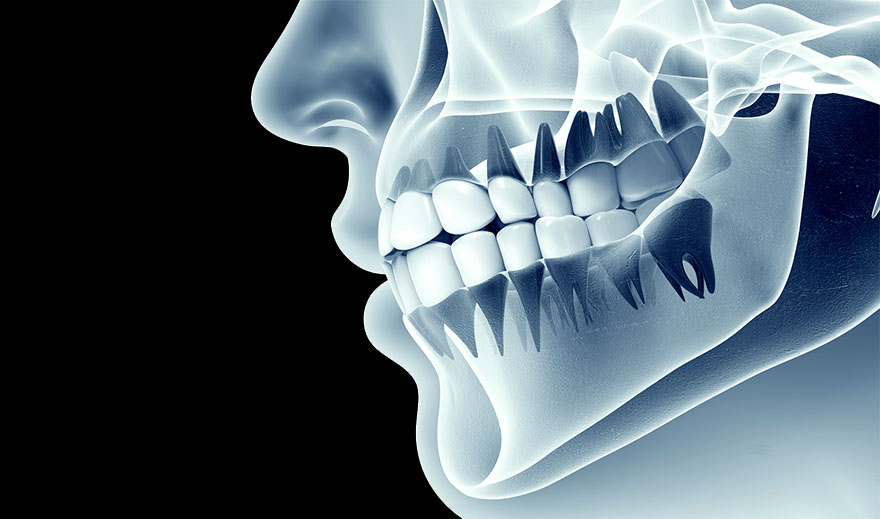
X-rays at Antalya Dental Hospital, Turkey
X-rays: What Are They, Benefits and Cost
Why would I need an x-ray?
Early tooth decay does not tend to show many physical signs. Sometimes the tooth looks healthy, but your dental team will be able to see from an x-ray whether you have any decay under the enamel, any possible infections in the root, or any bone loss around the tooth.
X-rays can help the dental team to see in between your teeth or under the edge of your fillings. Finding and treating dental problems at an early stage can save both time and money.
In children, x-rays can be used to show where the adult teeth are and when they will appear. They are also used in the same way for adults when the wisdom teeth start to come through.
How often should I have x-rays?
If you are a new patient, unless you have had dental x-rays very recently, the dental team will probably suggest having x-rays. This helps them assess the condition of your mouth and to check for any hidden problems. After that, x-rays may be recommended every 6 to 24 months depending on the person, their history of decay, their age and the condition of their mouth.
Who do the x-rays belong to?
X-rays are an essential part of your health records. If you are entitled to copies of your records, you may have to pay for these copies. If you change dentists, your x-rays and records will not usually be needed by your new dentist. However, if they are important, your new dental team will let you know. They will either ask for your permission to send for them, or ask you to fetch them yourself.
What will an x-ray show?
X-rays can show decay that may not be seen directly in the mouth: for example, under a filling, or between the teeth. They can show whether you have an infection in the root of your tooth and how severe the infection is.
In children an x-ray can show any teeth that haven’t come through yet, and show the dental team whether there is enough space for the teeth to come through. In adults, it can show any impacted wisdom teeth that may need to be removed, before they cause any problems.
Are x-rays dangerous?
The amount of radiation received from a dental x-ray is extremely small. We get more radiation from natural sources, including minerals in the soil, and from our general environment.
With modern techniques and equipment, risks are kept as small as possible. However, your dental team will always take care to use x-rays only when they need to.
Should I have an x-ray if I’m pregnant?
You should always tell your dental team if you are pregnant. They will take extra care and will probably not use x-rays unless they really have to, especially during the first three months.
What types of x-rays are there?
There are various types of x-ray. Some show one or two teeth and their roots, while others can take pictures of several teeth at once. The most common x-rays are small ones, which are taken regularly to keep a check on the condition of the teeth and gums.
These show a few teeth at a time, but include the roots and surrounding areas. There are large x-rays that show the whole mouth, including all the teeth and the bone structure that supports the teeth. These are called panoramic x-rays.
There are also medium-sized x-rays, which show either one jaw at a time, or one side of the face. There are also electronic ‘imaging’ systems in use today. These use electronic probes instead of x-ray films and the picture is transmitted directly onto a screen.
Why does the dentist leave the room during an x-ray?
The dental team might take hundreds of x-rays every week. Staff limit the amount of radiation they receive by moving away from the x-ray beam. However, the risk to patients from one or two routine x-rays is tiny.
Staff check how much radiation they are exposed to by wearing a small badge during working hours. This is sent off to be checked at regular intervals.
Need more advice?
If you need free and impartial advice about your oral health, contact our Antalya Dental Hospital Helpline by email or call +90 242-999-1227 (local rate call in the Turkey).
Our Antalya Dental Hospital Helpline is completely confidential and has helped almost 20,000+ people. Contact our experts by telephone, email or online enquiry, Monday to Friday, 08:00 - 18:00.




Frequently Asked Questions About Dental Health
FAQs
Our FAQs are the most commonly-asked questions put to our Dental Helpline over the last year. If you have a question for us, you can ask our Dental Helpline by telephone or email. Alternatively, please take a look at our library of oral health information, which contains a wide range of oral health advice in an easy-to-understand Q&A format.
If your child damages a tooth, contact your dental team straight away. A damaged tooth will often discolour over time.
If the damage happens outside normal opening hours, your dental team will have emergency cover. Phone the surgery anyway to find out who to call.
The type of treatment depends on the amount of damage to the tooth. Ask your dental team what is the best treatment for you:
- Bonding: This is when a plastic resin is used to fill the crack. It can easily repair a small chip off the biting edge of the tooth. Bonding can restore the shape of the tooth.
- Cosmetic contouring: This is done when the chip is very small. The rough edges of the tooth are rounded and polished to blend away the crack.
- Veneers: These are ideal when there is still a fair amount of tooth remaining, because they are long lasting and need the least amount of tooth removing first. A veneer is a thin layer of porcelain or plastic material made to fit over the front surface of the tooth. Click here for more information about veneers.
- Crowns: These are used for a tooth that is not suitable for a veneer. A crown fits over what is left of the tooth, making it strong and giving it the appearance of a natural tooth. If the nerve has been damaged and becomes infected you may need to have root canal treatment first. This involves removing all infection from the root canal. The root is then cleaned and filled to prevent any further infections. The tooth would then be fitted with a crown to give it extra support.
An orthodontic appliance (‘brace’) will straighten or move your teeth to improve their appearance and the way they work. It can also help to improve the long-term health of your teeth, gums and jaw joints by spreading the biting pressure over all the teeth.
There are many different types of brace and your dental team or orthodontist will be able to talk to you about what is best for you.
Many people want to have whiter teeth. The only person who can whiten your teeth legally for you is a dentist, although there are ‘home whitening kits’ you can buy, you need to be over 18 to purchase these.
Yes, if you don’t care for them well enough. If you keep them clean and have them regularly checked by your dental team you should not have any problems. Smoking also affects the health of implants. So, if you smoke, you may need to look after your implants more carefully. Some dentists will not place dental implants in people who are smokers.
Your Best Smile Starts Here
Follow along as Antalya Dental Hospital expert dentists share the latest oral health trends that impact you and your family’s overall health. Dentistry and Oral Health Blog is a rich source of information about dentistry, dental care, tips, news and more. Subscribe to our blog, newsroom and social media.
Smile aesthetics
Say hello to a new look with any number of

Do I Need a Dentist for a Dental Emergency?
What do you do if you just hit your face
My fear of the dentist
Dentophobia (odontophobia), or fear of dentists, is a common phobia