
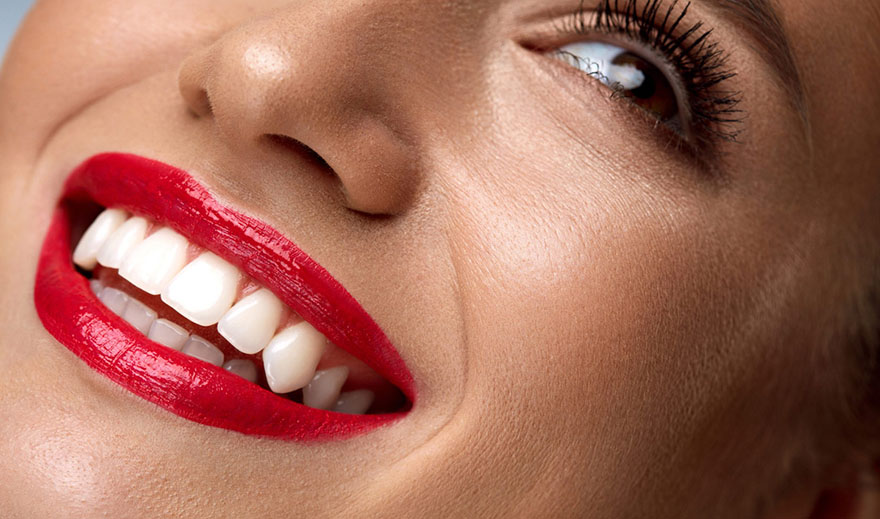
Veneers & Lumineers at Antalya Dental Hospital, Turkey
Veneers & Lumineers: What Are They, Benefits and Cost
Do you want to change the way you smile? A perfect smile takes more than just corrective tools; it takes passion, commitment, and persistence. We have all the tools and the dedication to help you achieve your smile goals. All we ask is that you give us the passion and commitment to go through the process. Together, we can help you restore your smile so you can have a confident, productive life.
Do not feel distressed about your chipped tooth!
Veneers are a great way to fix your smile without spending thousands of dollars. Other dental corrective treatments can cost you a lot of money, time and suffering. Save yourself the trouble of going through a hassle and invest in a solution that can actually show results.
We have treated hundreds of individuals with misaligned teeth problems. We only encourage you to invest in solutions that actually work and have been successful in the past. Veneers are easy to apply and the process does not require much time. They consist of a thin layer film that applied on the surface of your teeth to give a flawless outlook. Your specialist may reshape the original teeth to ensure a rigid placement of the veneers.
Need more advice?
If you need free and impartial advice about your oral health, contact our Antalya Dental Hospital Helpline by email or call +90 242-999-1227 (local rate call in the Turkey).
Our Antalya Dental Hospital Helpline is completely confidential and has helped almost 20,000+ people. Contact our experts by telephone, email or online enquiry, Monday to Friday, 08:00 - 18:00.


Frequently Asked Questions About Dental Health
FAQs
Our FAQs are the most commonly-asked questions put to our Dental Helpline over the last year. If you have a question for us, you can ask our Dental Helpline by telephone or email. Alternatively, please take a look at our library of oral health information, which contains a wide range of oral health advice in an easy-to-understand Q&A format.
Firstly, if you can find the tooth and it is clean, put it back into the socket yourself. If you can’t put it back, put it straight into a cup of milk or keep it in your mouth.
- Don’t panic.
- Do go to a dentist or hospital as soon as possible.
- Do take painkillers if you need to, but don’t take any medication containing aspirin as this can cause the bleeding to get worse.
- Don’t hold the tooth by the root, as teeth are surrounded by fragile ligaments which need to be kept intact if the tooth is to be put back in.
- Don’t clean the tooth with disinfectant or water, or let it dry out.
- Don’t put aspirin or clove oil on the wound.
The sooner the tooth is replaced, the better the chances of success. If you have not managed to do it yourself, the dentist will put the tooth back. They may use a dental splint to fasten the tooth against the teeth on either side. In most cases this is successful, and once the splint is removed the tooth is stable. However, you will almost certainly need more treatment in the future.
It is important to keep having your teeth checked by your dental team while you are having orthodontic treatment. You also need to take extra care of your teeth and mouth:
Clean your teeth carefully every day, including between your teeth where you can. Braces are delicate and you need to make sure you clean them carefully so that they do not break. Your dental team will be able to show you the special techniques to use depending on the appliance you are wearing.
Cut down on how often you have sugary foods and drinks. Avoid snacks and drinks containing sugars, and fizzy drinks. Also, sticky and hard foods may damage your brace.
Brush your teeth last thing at night and at least one other time during the day. Use a mouthwash if you need to. Your dental team may recommend a stronger fluoride toothpaste, or perhaps a fluoride gel or mouth rinse, for you to use.
Dental hygienists also take dental x-rays. The dentist will use these to help diagnose problems and decide on the possible treatment. Dental hygienists can also place fissure sealants, apply fluoride varnishes and administer fluoride treatments. Other procedures may be carried out by dental hygienists depending on the laws that apply where they work.
Tooth whitening is also often carried out by the dental hygienist, under a prescription from your dentist.
At times physicians and dentists recommend that a patient take antibiotics before certain dental procedures. This is called “antibiotic prophylaxis.” But why do healthcare providers suggest this extra step?
We all have bacteria in our mouths, and a number of dental treatments—and even daily routines like chewing, brushing or flossing—can allow bacteria to enter the bloodstream (bacteremia). For most of us, this isn’t a problem. A healthy immune system prevents these bacteria from causing any harm. There is concern, however, that for some people bacteremia can cause an infection elsewhere in the body.
Your Best Smile Starts Here
Follow along as Antalya Dental Hospital expert dentists share the latest oral health trends that impact you and your family’s overall health. Dentistry and Oral Health Blog is a rich source of information about dentistry, dental care, tips, news and more. Subscribe to our blog, newsroom and social media.
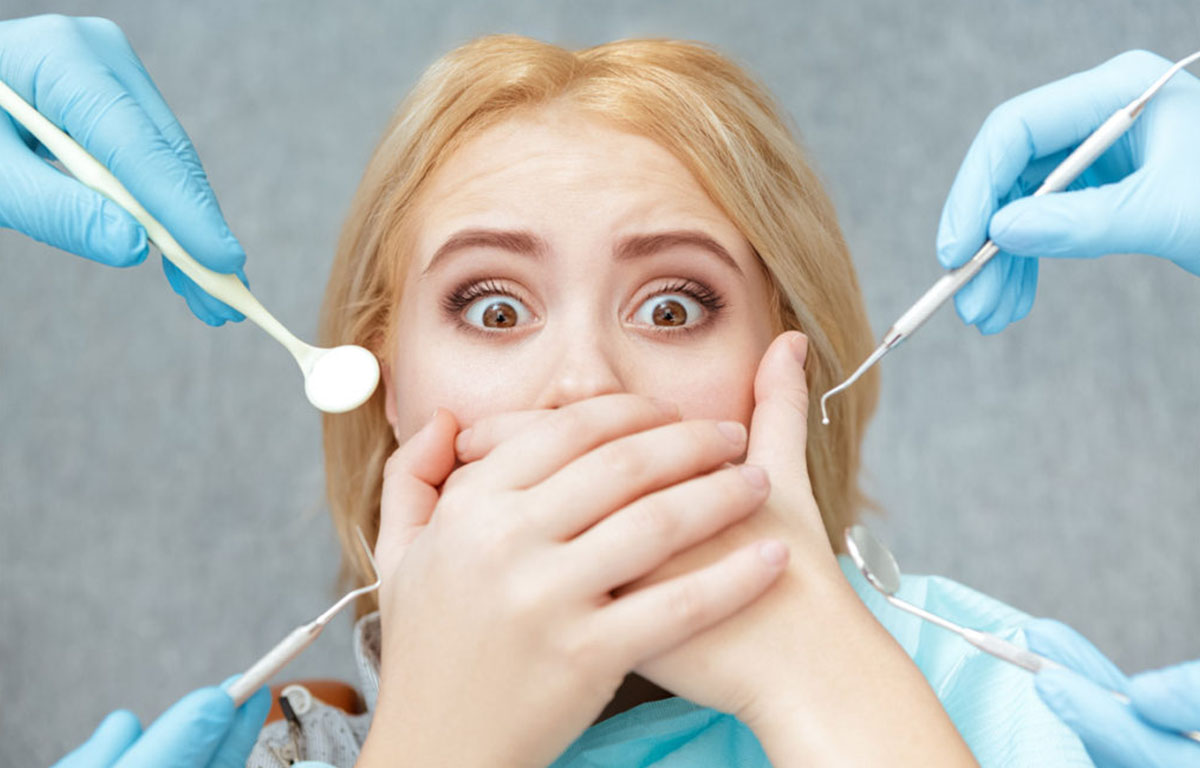
My fear of the dentist
Dentophobia (odontophobia), or fear of dentists, is a common phobia
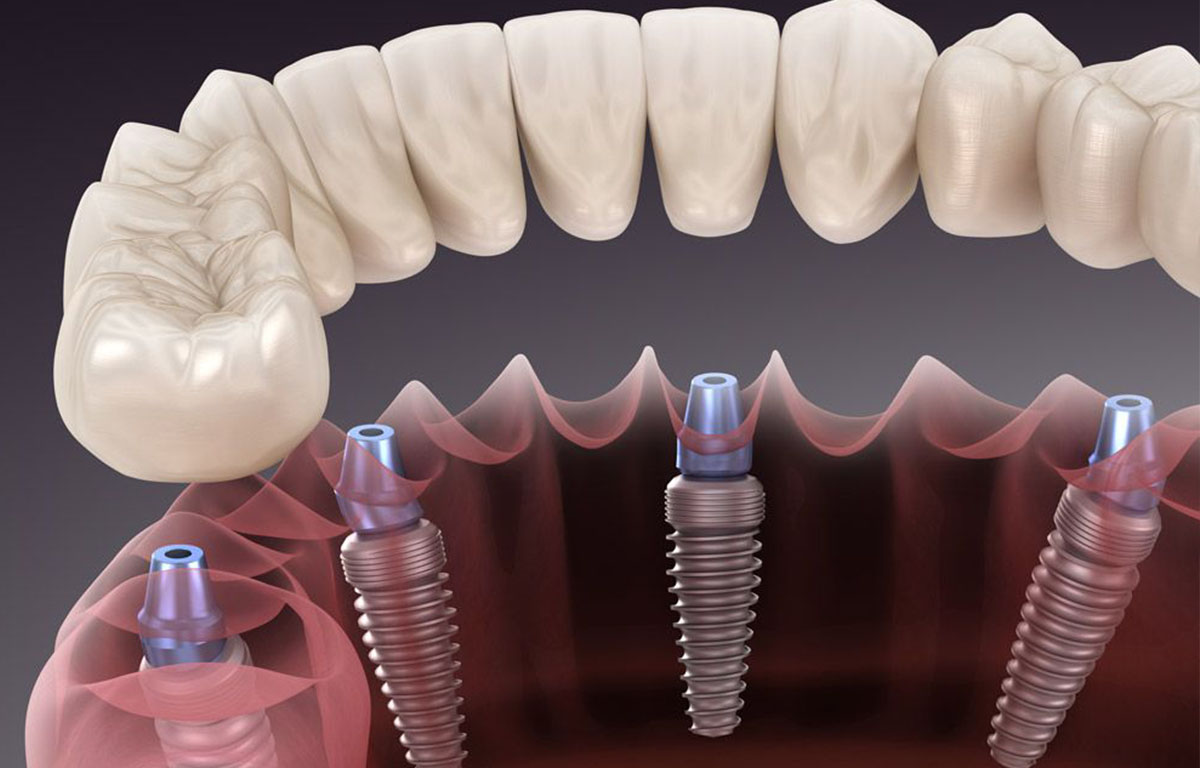
Implants
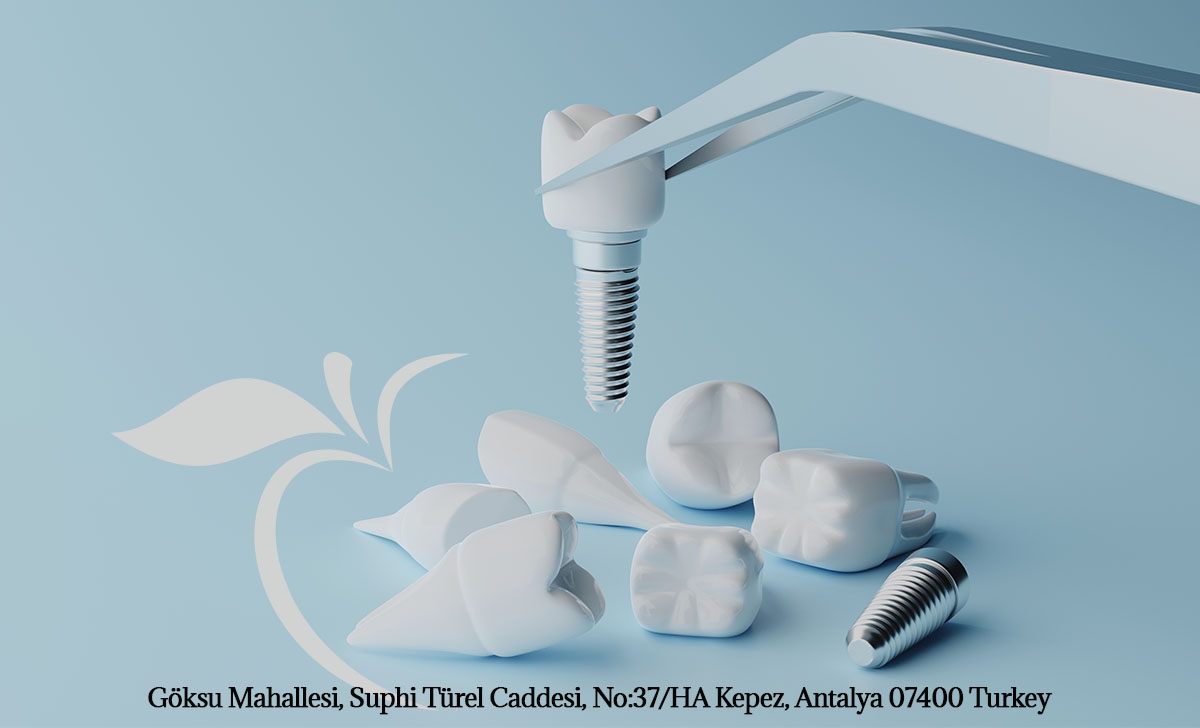
A dental implant is a metal post that replaces the
Welcome to Dental Clinic Antalya
Dental Clinic Antalya is located at Göksu Mahallesi, Suphi Türel