
TMJ Treatment at Antalya Dental Hospital, Turkey
TMJ Treatment: What Are They, Benefits and Cost
In some cases, the symptoms of TMJ disorders may go away without treatment. If your symptoms persist, your doctor may recommend a variety of treatment options, often more than one to be done at the same time.
Your doctor or dentist will discuss your symptoms and examine your jaw. He or she will probably:
- Listen to and feel your jaw when you open and close your mouth
- Observe the range of motion in your jaw
- Press on areas around your jaw to identify sites of pain or discomfort
If your doctor or dentist suspects a problem, you may need:
- Dental X-rays to examine your teeth and jaw
- CT scan to provide detailed images of the bones involved in the joint
- MRI to reveal problems with the joint’s disk or surrounding soft tissue
- TMJ arthroscopy is sometimes used in the diagnosis of a TMJ disorder. During TMJ arthroscopy, your doctor inserts a small thin tube (cannula) into the joint space, and a small camera (arthroscope) is then inserted to view the area and to help determine a diagnosis.
Don’t worry.
We’ll take care of it.
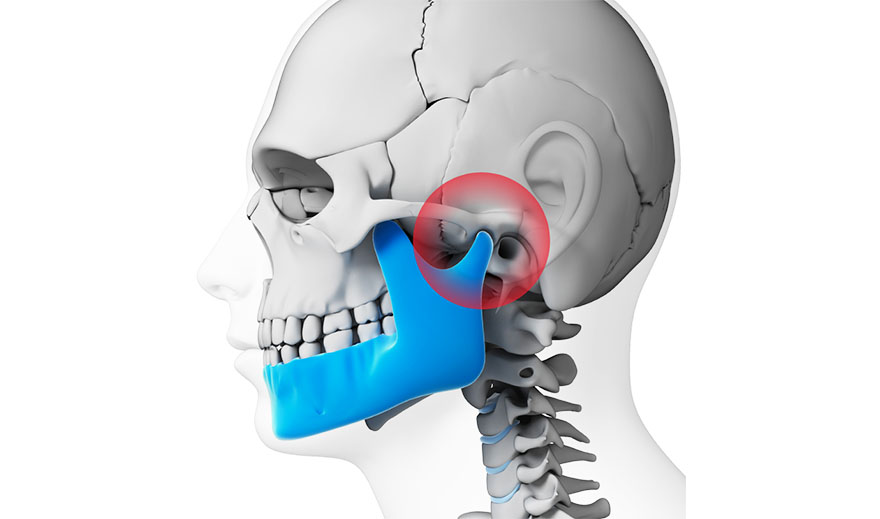
The temporomandibular joint, or TMJ, are the joints located on each side of the head where the skull and lower jaw meet. It is the most constantly used joint in our body, allowing us to open and close our mouth, speak and chew.
Any problem that prevents TMJ to work properly may result in TMJ disorders. Oftentimes, TMJ disorders have long-term symptoms that can affect a patient’s quality of life.
Possible causes of TMJ disorders include arthritis, injuries, displacement of the disc located between the jawbone and the socket, stress and teeth grinding (bruxism).
Symptoms of TMJ Disorders
- difficulty in opening and closing the mouth
- pain in the jaw and cheekbones
- pain when eating
- earaches or ringing in the ears
- frequent headaches
- clicking sounds when opening and closing the mouth
- changes in the way your teeth fit together when you bite
- discomfort in your neck and shoulders
- problems when moving the jaw side to side or forward
- pain when touching the TMJ area or jaw muscles
If your symptoms persist, your dentist may recommend a variety of treatment options.
Treatments of TMJ Disorders
Diagnosing TMJ disorders can be complex and may require different procedures. Depending on the diagnosis, we may recommend stress management, bite plate or splint therapy or short-term non-steroidal anti-inflammatory drugs to relieve the pain and to relax the muscles.
If these are unsuccessful, we may refer you to our TMJ specialist or our Oral & Maxillofacial Surgeon for other treatment options. A surgical approach may include arthroscopy, arthrocentesis, or joint reconstruction.
Need more advice?
If you need free and impartial advice about your oral health, contact our Antalya Dental Hospital Helpline by email or call +90 242-999-1227 (local rate call in the Turkey).
Our Antalya Dental Hospital Helpline is completely confidential and has helped almost 20,000+ people. Contact our experts by telephone, email or online enquiry, Monday to Friday, 08:00 - 18:00.




Frequently Asked Questions About Dental Health
FAQs
Our FAQs are the most commonly-asked questions put to our Dental Helpline over the last year. If you have a question for us, you can ask our Dental Helpline by telephone or email. Alternatively, please take a look at our library of oral health information, which contains a wide range of oral health advice in an easy-to-understand Q&A format.
If the pulp becomes infected, the infection may spread through the root canal system of the tooth. This may eventually lead to an abscess. An abscess is an inflamed area in which pus collects and can cause swelling of the tissues around the tooth. The symptoms of an abscess can range from a dull ache to severe pain, and the tooth may be tender when you bite. If root canal treatment is not done, the infection will spread and the tooth may need to be taken out.
These contain a dye. After brushing and cleaning in between your teeth, you can use a disclosing tablet or solution to dye any plaque that hasn’t been removed. This can help to show any places you are missing when brushing. You can easily remove the dye afterwards by brushing.
At times physicians and dentists recommend that a patient take antibiotics before certain dental procedures. This is called “antibiotic prophylaxis.” But why do healthcare providers suggest this extra step?
We all have bacteria in our mouths, and a number of dental treatments—and even daily routines like chewing, brushing or flossing—can allow bacteria to enter the bloodstream (bacteremia). For most of us, this isn’t a problem. A healthy immune system prevents these bacteria from causing any harm. There is concern, however, that for some people bacteremia can cause an infection elsewhere in the body.
Dental hygienists are mainly concerned with ‘preventive’ dental health and treating gum disease – showing you correct home care and helping you to keep your teeth and gums healthy. This includes professionally cleaning your teeth by removing plaque and tartar (usually called a ‘scale and polish’ or a prophylaxis). However, perhaps their most important role is showing you the best way to keep your teeth free of plaque. Plaque is a sticky coating that forms constantly on your teeth. Hygienists also give advice about diet and about preventing tooth decay. The hygienist will work with your dental team to give you the care that is tailored to your needs.
Your Best Smile Starts Here
Follow along as Antalya Dental Hospital expert dentists share the latest oral health trends that impact you and your family’s overall health. Dentistry and Oral Health Blog is a rich source of information about dentistry, dental care, tips, news and more. Subscribe to our blog, newsroom and social media.
Welcome to Dental Clinic Antalya
Dental Clinic Antalya is located at Göksu Mahallesi, Suphi Türel
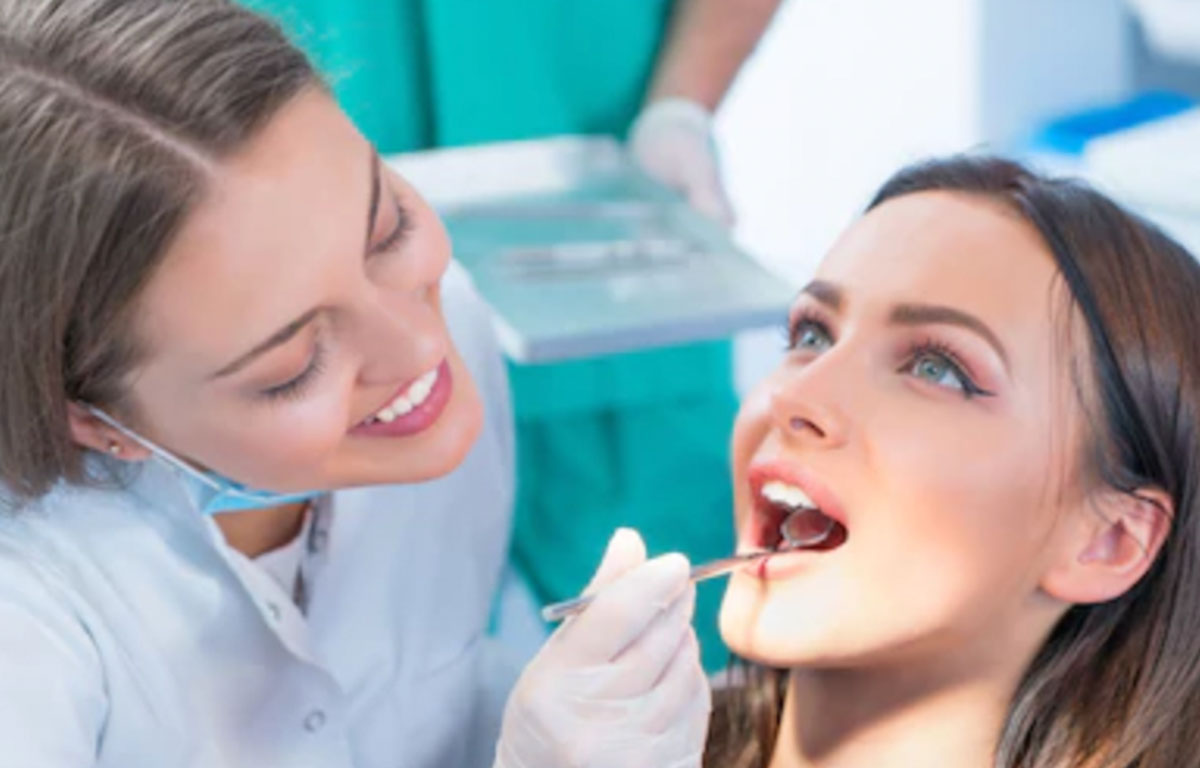
Visiting a dental hygienist or dental therapist
What are dental hygienists and dental therapists? Dental hygienists and dental
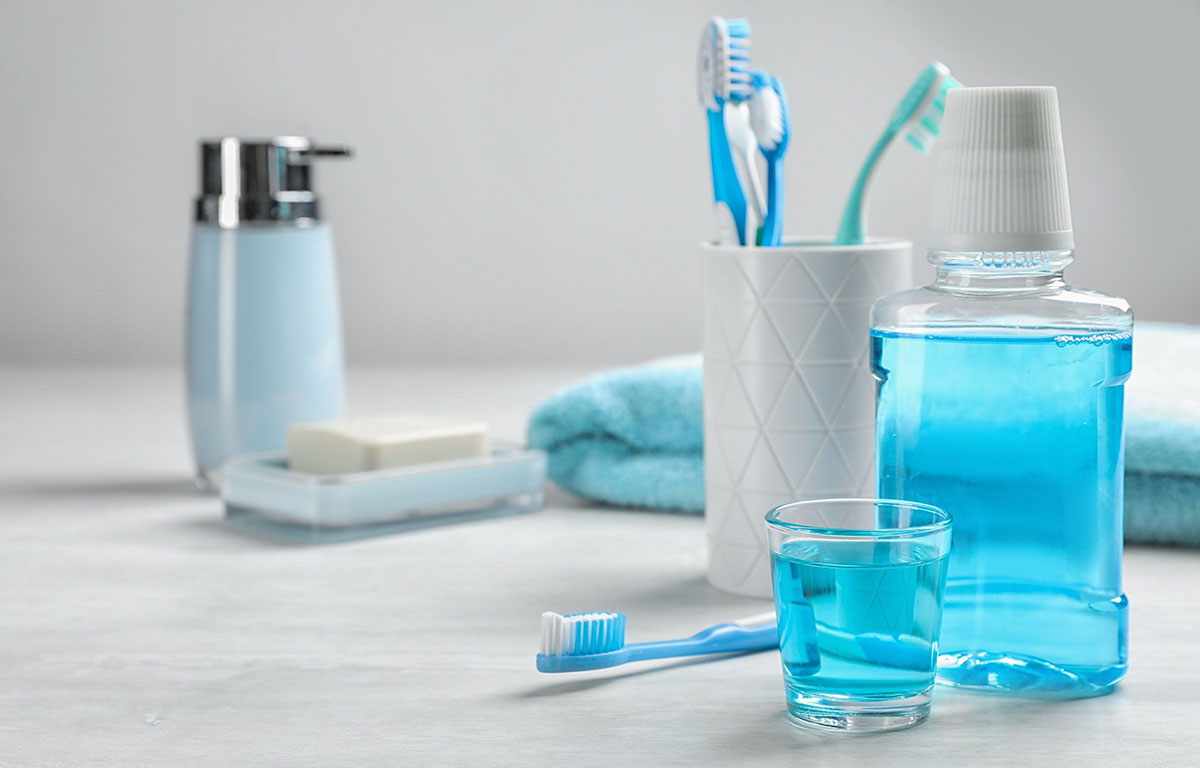
Oral care products
How often should I clean my teeth? It is important