
Second Opinion at Antalya Dental Hospital, Turkey
Second Opinion: What Are They, Benefits and Cost
Has dental treatment ever taken you by surprise?
Our Second Opinion Program (SOP) is open to anyone who wishes to have an alternative, honest, and open discussion about a given treatment plan.
Second opinions are valuable when it comes to making decisions that can potentially save you time, effort, or money.
It is only natural that we ask friends and family for their second opinion on almost anything – be it a new restaurant, summer camp for our kids, or even family holidays.
The same applies to our oral health.
Why get a second opinion?
The truth is, there will always be a difference when it comes to treatment proposals and costs. It is important to understand that every dentist is different. We all have unique backgrounds, trainings, and interests. With all these in mind, we believe that it is our responsibility to cut through the confusion and re-establish trust in our profession.
TERMS & CONDITIONS
- Our Second Opinion Program is open to anyone who wishes to have an alternative, honest, and open discussion about a treatment plan that has been created for him or her.
- You will receive a savings certificate worth … to facilitate your consultation.
- You will have to share your current treatment plan and/or latest X-ray(s) to receive your savings certificate. A fee will incur if you are unable to provide your X-ray(s).
- You will receive a call within 24 to 48 hours confirming your appointment.
- You will receive your savings certificate on your email. It is valid for 30 days upon issue.
- Please save a copy of your savings certificate and bring it with you on the day of your appointment.
- Your savings certificate is non-transferable, non-refundable, and non-convertible to cash.
Need more advice?
If you need free and impartial advice about your oral health, contact our Antalya Dental Hospital Helpline by email or call +90 242-999-1227 (local rate call in the Turkey).
Our Antalya Dental Hospital Helpline is completely confidential and has helped almost 20,000+ people. Contact our experts by telephone, email or online enquiry, Monday to Friday, 08:00 - 18:00.



Frequently Asked Questions About Dental Health
FAQs
Our FAQs are the most commonly-asked questions put to our Dental Helpline over the last year. If you have a question for us, you can ask our Dental Helpline by telephone or email. Alternatively, please take a look at our library of oral health information, which contains a wide range of oral health advice in an easy-to-understand Q&A format.
There is now laser whitening or ‘power whitening’. During this treatment a light or laser is shone on the teeth to activate the chemical. The light speeds up the chemical reaction of the whitening product and the shade change can be achieved more quickly. Laser whitening can make teeth up to five or six shades lighter. This treatment usually takes about one hour and you must be seen by a qualified dentist before starting treatment.
If you do have bad breath, you will need to start a routine for keeping your mouth clean and fresh. Regular check-ups will allow your dentist to watch out for any places where plaque is caught between your teeth. Your dental team will be able to clean all those areas that are difficult to reach. They will also be able to show you the best way to clean your teeth and gums, and show you any areas you may be missing, including your tongue.
Some of the shiny, outer enamel surface of the tooth may be removed, to make sure that the veneer can be bonded permanently in place later. The amount of enamel removed is tiny and will be the same as the thickness of the veneer to be fitted, so that the tooth stays the same size.
A local anaesthetic (injection) may be used to make sure that there is no discomfort, but often this is not needed. Once the tooth has been prepared, the dental team will take an ‘impression’ (mould). This will be given to the dental technician, along with any other information needed to make the veneer.
The colour of the surrounding teeth is matched on a shade guide to make sure that the veneer will look entirely natural.
There are various types of x-ray. Some show one or two teeth and their roots, while others can take pictures of several teeth at once. The most common x-rays are small ones, which are taken regularly to keep a check on the condition of the teeth and gums.
These show a few teeth at a time, but include the roots and surrounding areas. There are large x-rays that show the whole mouth, including all the teeth and the bone structure that supports the teeth. These are called panoramic x-rays.
There are also medium-sized x-rays, which show either one jaw at a time, or one side of the face. There are also electronic ‘imaging’ systems in use today. These use electronic probes instead of x-ray films and the picture is transmitted directly onto a screen.
Your Best Smile Starts Here
Follow along as Antalya Dental Hospital expert dentists share the latest oral health trends that impact you and your family’s overall health. Dentistry and Oral Health Blog is a rich source of information about dentistry, dental care, tips, news and more. Subscribe to our blog, newsroom and social media.
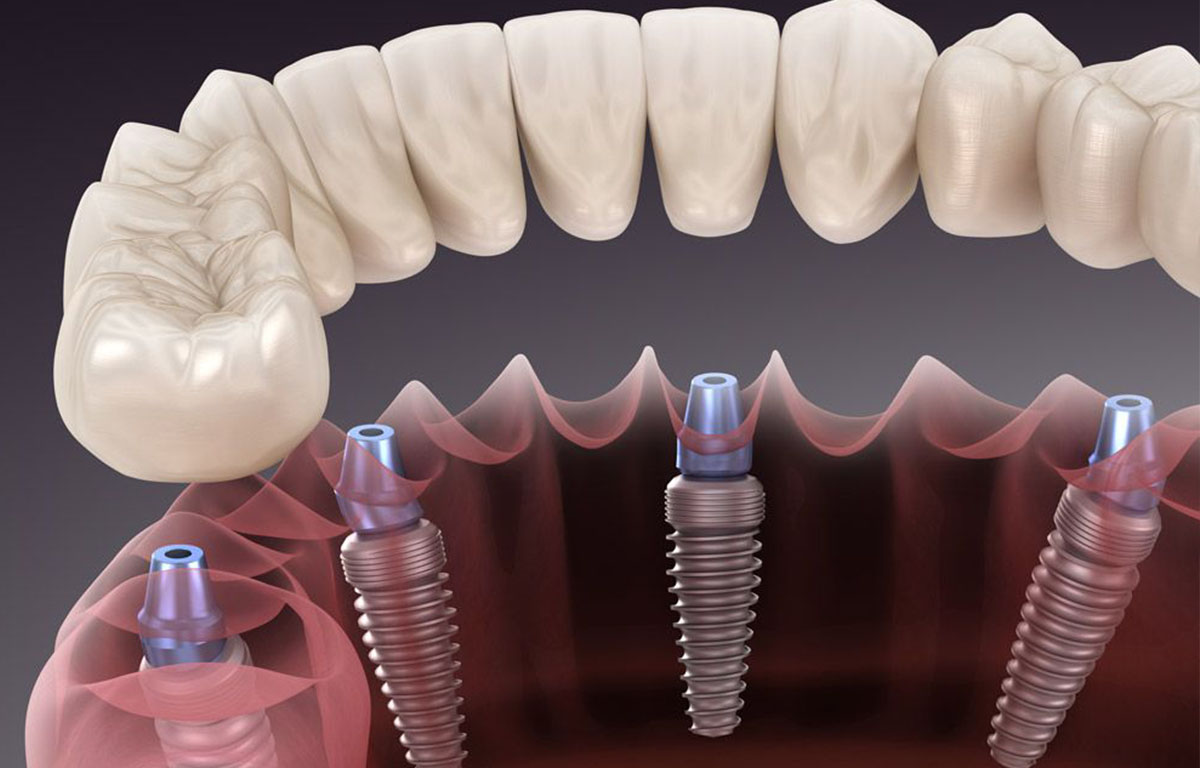
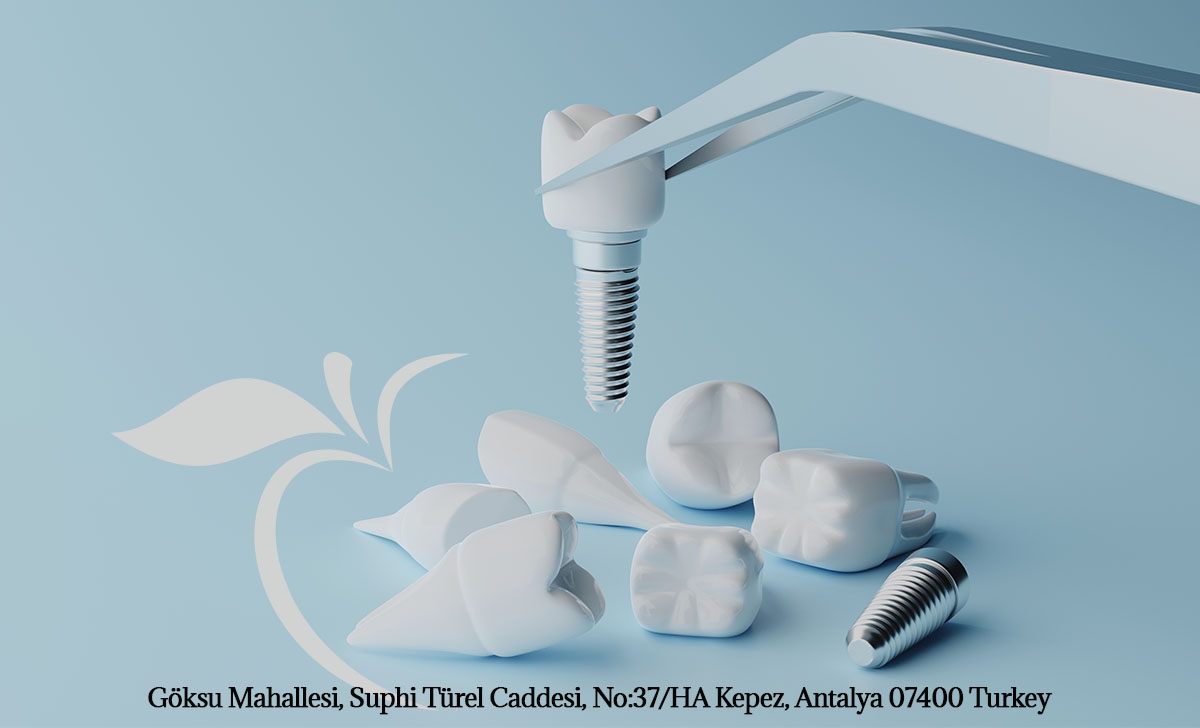
Implants
A dental implant is a metal post that replaces the
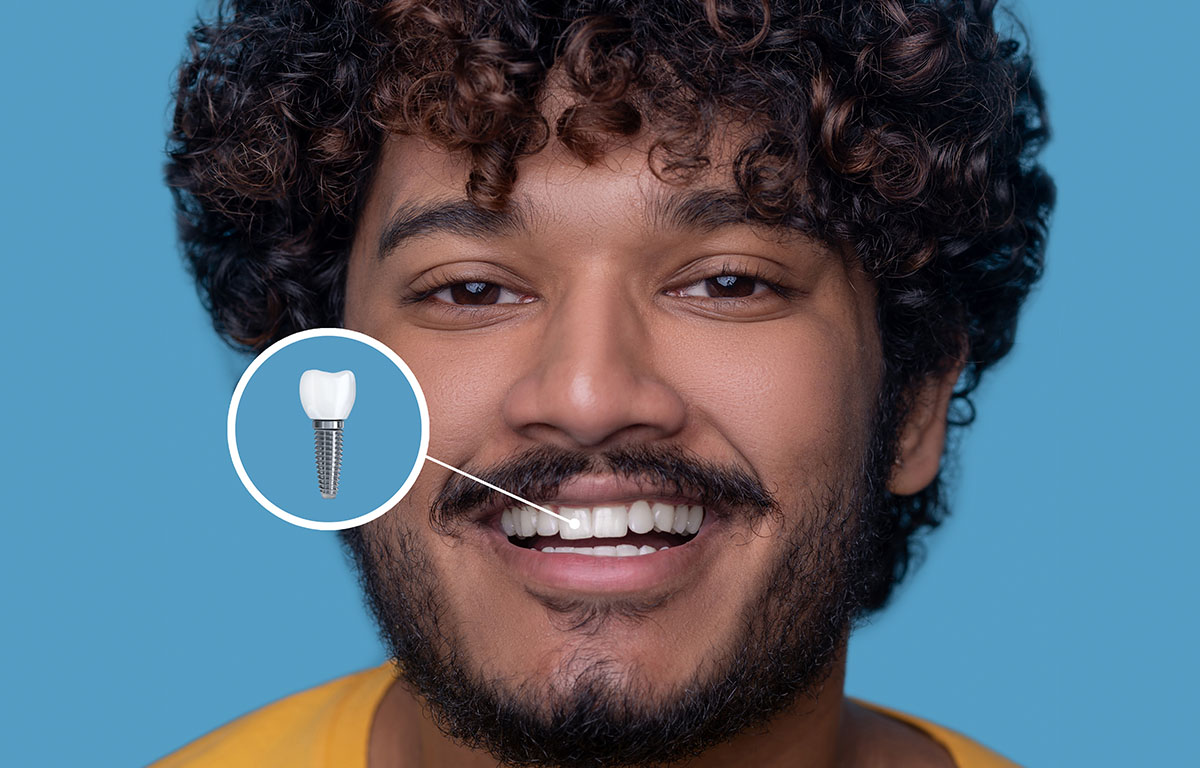
Implants for life
If you’re looking for a long-term solution for missing teeth,
Welcome to Dental Clinic Antalya
Dental Clinic Antalya is located at Göksu Mahallesi, Suphi Türel