
Oral & Maxillofacial Surgery at Antalya Dental Hospital, Turkey
Oral & Maxillofacial Surgery: What Are They, Benefits and Cost
Experience world-class surgical expertise.
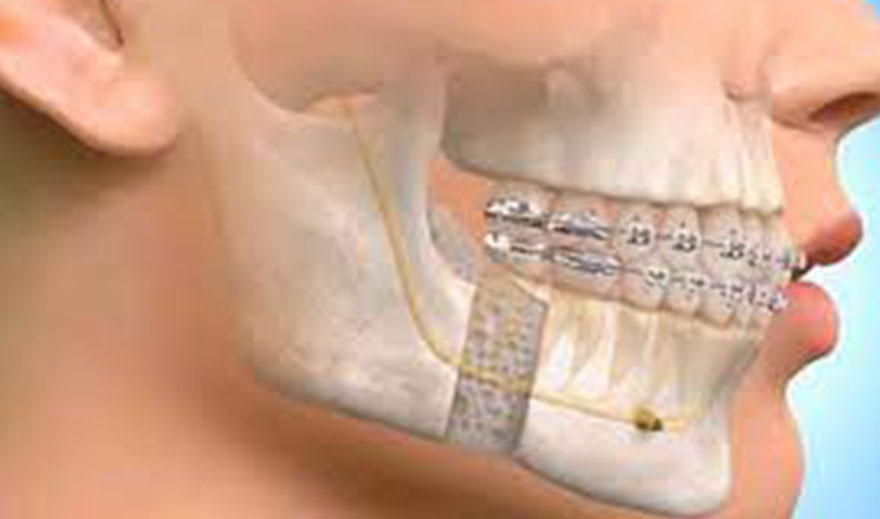
Oral and Maxillofacial Surgery is the specialization in the surgery of the craniomaxillofacial complex: mouth, jaws, face, skull, neck.
An Oral and Maxillofacial Surgeon or OMS has the unique surgical expertise and training to manage and treat deformities, injuries and diseases of the mouth, teeth, jaws and the face.
Following dental school, Oral & Maxillofacial surgeons complete additional 4 to 6 years of extensive training in hospital-based residency programs making them the surgical experts in the field of dentistry.
Our Oral & Maxillofacial Surgeon provides the following treatments:
- Surgical dental extractions of wisdom teeth and impacted or diseased teeth
- Corrective jaw surgeries (orthognathic surgery)
- Reconstructive cosmetic maxillofacial surgery
- Treatment of facial trauma and deformities
- Placement of dental implants
- Bone grafting
- Diagnosis and surgical treatment of oral cancers
- Cleft lip and palate surgery
- Surgical and non-surgical treatment of temporomandibular joint (TMJ) disorders
- Surgical dental treatments under general anesthesia
Need more advice?
If you need free and impartial advice about your oral health, contact our Antalya Dental Hospital Helpline by email or call +90 242-999-1227 (local rate call in the Turkey).
Our Antalya Dental Hospital Helpline is completely confidential and has helped almost 20,000+ people. Contact our experts by telephone, email or online enquiry, Monday to Friday, 08:00 - 18:00.




Frequently Asked Questions About Dental Health
FAQs
Our FAQs are the most commonly-asked questions put to our Dental Helpline over the last year. If you have a question for us, you can ask our Dental Helpline by telephone or email. Alternatively, please take a look at our library of oral health information, which contains a wide range of oral health advice in an easy-to-understand Q&A format.
Most cases of mouth cancer are linked to tobacco and alcohol. Cigarette, cigar and pipe smoking are the main forms of tobacco use in many parts of the world. However, the traditional habits in some cultures of chewing tobacco, betel quid, gutkha and paan are particularly dangerous.
Alcohol increases the risk of mouth cancer, and if tobacco and alcohol are taken together the risk is even greater.
Over-exposure to sunlight can also increase the risk of cancer of the lips.
Many recent reports have linked mouth cancer to the human papillomavirus (HPV). HPV is the main cause of cervical cancer and affects the skin that lines the moist areas of the body.
HPV can be spread through oral sex, and research now suggests that HPV could soon rival smoking and drinking as one of the main causes of mouth cancer.
Practising safe sex and limiting the number of partners you have may help reduce your chances of getting HPV. Many people get HPV during their lives and for many this does not cause a problem.
There are now HPV vaccines for both girls and boys. They were developed to fight cervical cancer, but it is likely that they will also help to reduce the rates of mouth cancer. These vaccines are given at age 12 to 13 before sexual activity starts.
Professional bleaching is the most common form of tooth whitening.
Your dental team will apply the whitening product to your teeth, using a specially made tray which fits into your mouth like a mouthguard.
The ‘active ingredient’ in the product is usually hydrogen peroxide or carbamide peroxide. As the active ingredient is broken down, oxygen gets into the enamel on the teeth and the tooth colour is made lighter.
Once your dental team has started this treatment you may be given the trays to take home and continue the treatment, or you may need more appointments with the team. This treatment can take around 3 to 4 weeks, depending on how long you keep the trays in your mouth each time, and how much whiter you want your teeth to be.
It is important to remember that only natural teeth will be whitened, and that any crowns, bridges or dentures you have will stay the same shade.
If you do have bad breath, you will need to start a routine for keeping your mouth clean and fresh. Regular check-ups will allow your dentist to watch out for any places where plaque is caught between your teeth. Your dental team will be able to clean all those areas that are difficult to reach. They will also be able to show you the best way to clean your teeth and gums, and show you any areas you may be missing, including your tongue.
Being ‘afraid of the dentist’ may mean different things to different people. It will probably help if you work out just what it is that worries you most. Maybe the sounds and smells bring back memories of bad experiences as a child, or make you think that having treatment will hurt. The good news is that more and more dentists now understand their patients’ fears. They realise that kindness and gentleness can do a lot to make dental treatment an acceptable, normal part of life.
Your Best Smile Starts Here
Follow along as Antalya Dental Hospital expert dentists share the latest oral health trends that impact you and your family’s overall health. Dentistry and Oral Health Blog is a rich source of information about dentistry, dental care, tips, news and more. Subscribe to our blog, newsroom and social media.
Visiting a dental hygienist or dental therapist
What are dental hygienists and dental therapists? Dental hygienists and dental
Smoking and oral health
It’s no secret that smoking is bad for your general
Implants
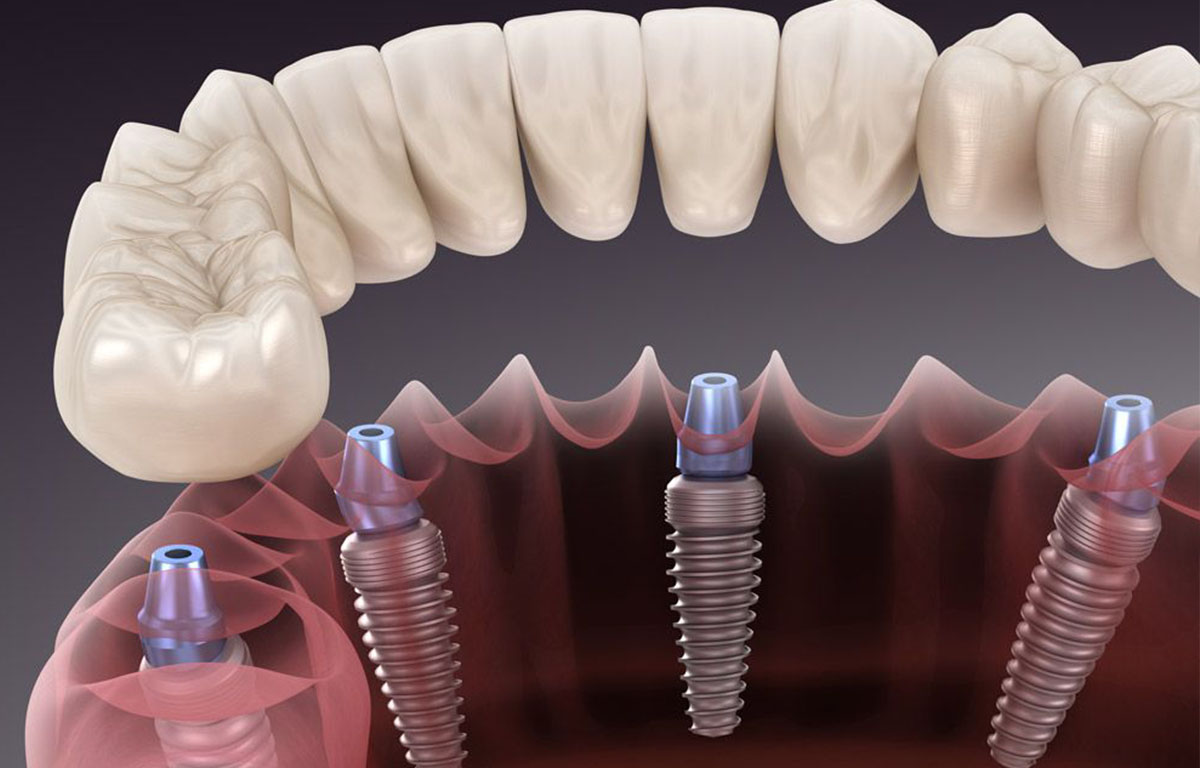
A dental implant is a metal post that replaces the