
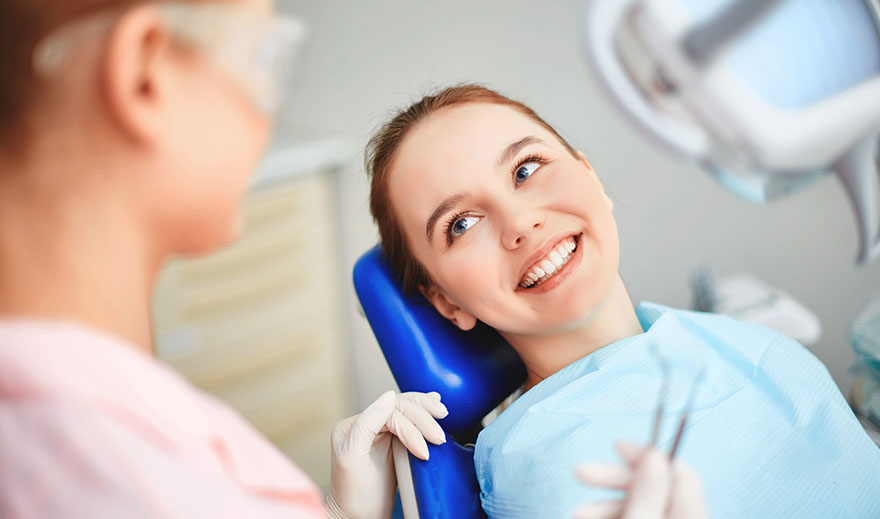
Cleaning, Scale & Polish at Antalya Dental Hospital, Turkey
Cleaning, Scale & Polish: What Are They, Benefits and Cost
A scale and polish can be done by your dentist or hygienist. The first ‘scrape’ stage removes the deposits of plaque and tartar. Often an ultrasound scraper is used first to get rid of the bulk of the tartar, followed by specialised hand held instruments to scrape away any stubborn remains.
Reinforce good oral hygiene habits.
Visiting your hygienist regularly for cleaning is very important in keeping your mouth healthy. Even if you clean your teeth every day, plaque can still build up in areas that are difficult to reach with your toothbrush alone.
Your hygienist is the expert in teeth cleaning, often called a ‘scale and polish’. They are especially trained to carry out preventative oral care and they have all the tools to remove the buildup of plaque and calculus.
Improve your personal oral hygiene with scale and polish.
During your scale and polish appointment, our hygienist will look for early signs of gum disease and will discuss ways to improve your personal oral hygiene and oral habits.
At the Dental Clinic Antalya, we recommend visiting our hygienist every 6 months for teeth cleaning, scale and polish to remove plaque buildup and reinforce good oral hygiene habits. For patients wearing braces, we advise them to schedule their hygiene appointments more frequently to keep their teeth in great health during their treatment.
Guided Biofilm Therapy – Advanced Hygiene System
- Guided Biofilm Therapy (GBT) using AIRFLOW® delivers a more effective clean in less amount of time. Simply put, it’s a hygiene treatment that makes you feel good.
High Gloss – Diamond Polish
Restore your teeth’s natural sparkle.
- Our High Gloss Diamond Polish is a 60-minute OMNI-clean which promises to restore your teeth’s natural sparkle and whiteness.
Need more advice?
If you need free and impartial advice about your oral health, contact our Antalya Dental Hospital Helpline by email or call +90 242-999-1227 (local rate call in the Turkey).
Our Antalya Dental Hospital Helpline is completely confidential and has helped almost 20,000+ people. Contact our experts by telephone, email or online enquiry, Monday to Friday, 08:00 - 18:00.



Frequently Asked Questions About Dental Health
FAQs
Our FAQs are the most commonly-asked questions put to our Dental Helpline over the last year. If you have a question for us, you can ask our Dental Helpline by telephone or email. Alternatively, please take a look at our library of oral health information, which contains a wide range of oral health advice in an easy-to-understand Q&A format.
Because the shape of the crown will be slightly different from the shape of your tooth before it was crowned, you may be aware of it at first. Within a few days it should feel fine, and you will not notice it. The crown may need some adjustment if your bite does not feel comfortable, and if this is the case, you should ask your dentist to check and adjust it.
Regular professional cleaning to remove plaque and tartar, combined with looking after your teeth and gums properly at home, will help keep your mouth healthy. A clean and healthy mouth will improve your appearance, help you to keep your teeth and give you fresh breath.
These contain a dye. After brushing and cleaning in between your teeth, you can use a disclosing tablet or solution to dye any plaque that hasn’t been removed. This can help to show any places you are missing when brushing. You can easily remove the dye afterwards by brushing.
X-rays can show decay that may not be seen directly in the mouth: for example, under a filling, or between the teeth. They can show whether you have an infection in the root of your tooth and how severe the infection is.
In children an x-ray can show any teeth that haven’t come through yet, and show the dental team whether there is enough space for the teeth to come through. In adults, it can show any impacted wisdom teeth that may need to be removed, before they cause any problems.
Your Best Smile Starts Here
Follow along as Antalya Dental Hospital expert dentists share the latest oral health trends that impact you and your family’s overall health. Dentistry and Oral Health Blog is a rich source of information about dentistry, dental care, tips, news and more. Subscribe to our blog, newsroom and social media.

Do I Need a Dentist for a Dental Emergency?
What do you do if you just hit your face
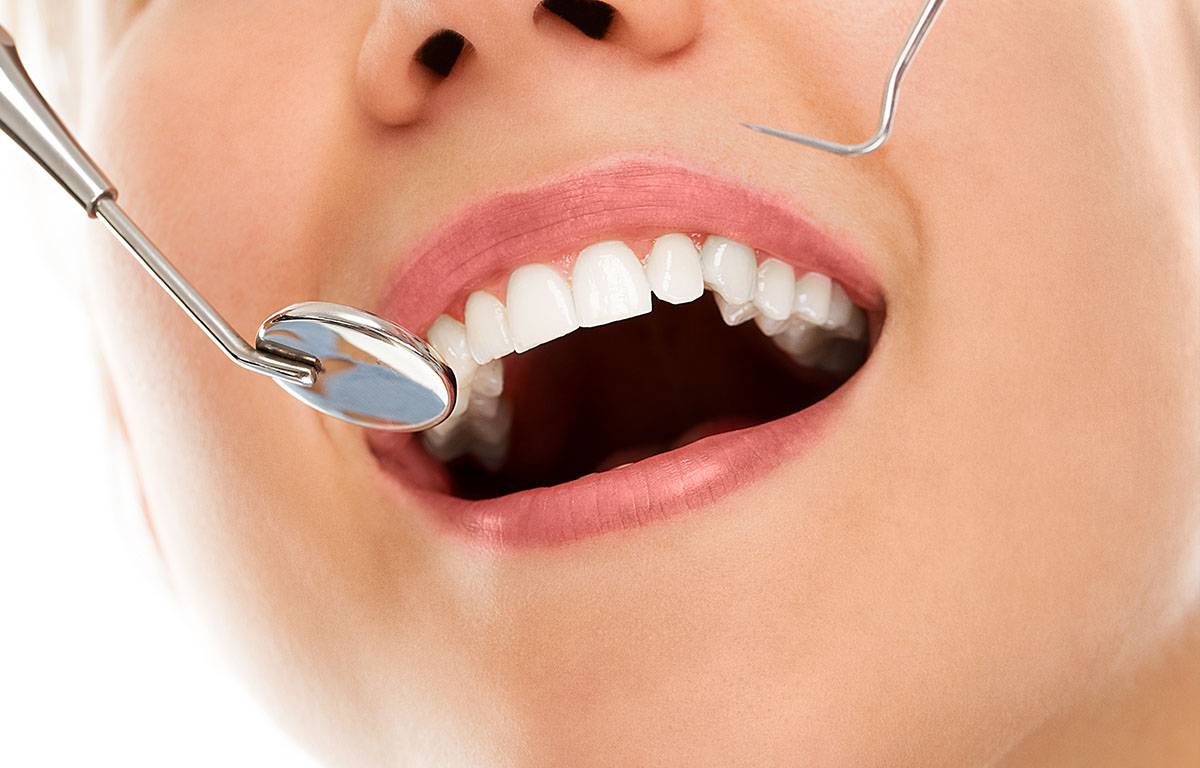
Smile aesthetics
Say hello to a new look with any number of
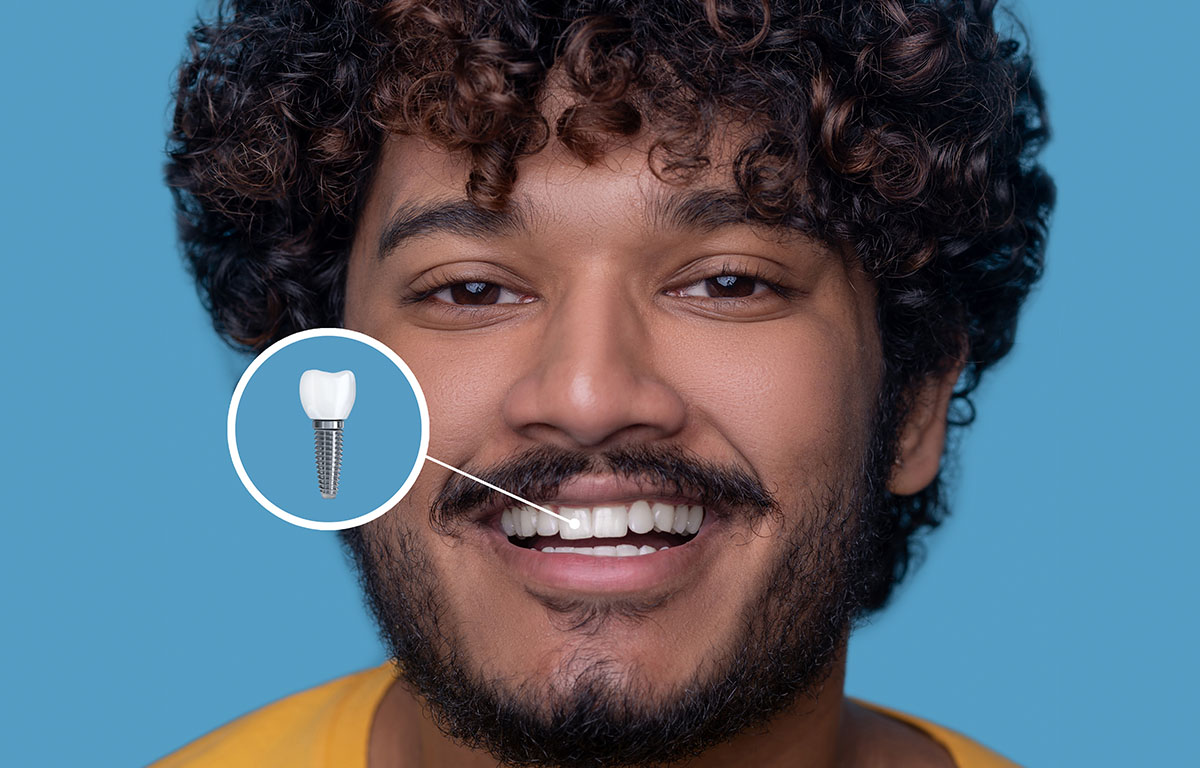
Implants for life
If you’re looking for a long-term solution for missing teeth,